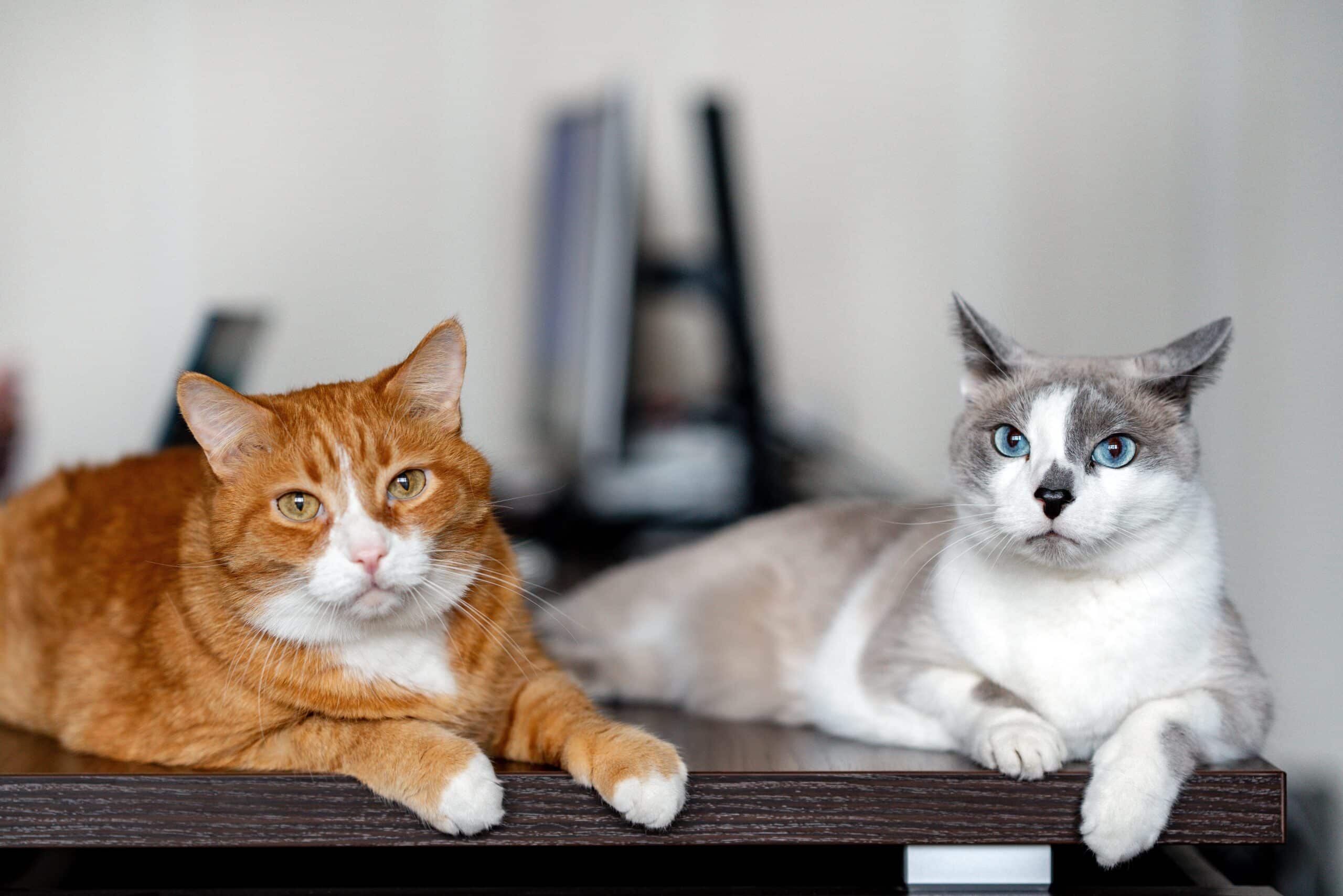
It is easy to be captivated by a cute face or silky coat, but choosing a feline companion involves much more than surface appeal. French veterinarian Dr. Amir Anwary recently sparked discussion by naming five cat breeds he would never adopt, no matter how charming their appearance. His insights highlight the reality that prioritizing certain aesthetic traits can lead to significant health problems for the animals themselves.
For anyone considering bringing a cat into their home, gaining an understanding of breed-specific health issues becomes essential. This approach blends compassion with practical vet advice, ensuring that long-term welfare takes precedence over fleeting attraction.
Why veterinarians warn against certain cat breeds?
Some breeds consistently attract attention due to their distinctive looks or personalities. However, veterinarians often witness the consequences of selective breeding, which tends to favor visual appeal at the expense of animal well-being. Rather than being influenced solely by popular images and trends, it is crucial to examine what various cat breeds truly require for a healthy life.
Dr. Anwary’s list reflects deep concern for the lifelong medical challenges these cats face—challenges rooted mostly in genetics rather than environment. This knowledge emphasizes the importance of responsible adoption vs buying decisions, especially when weighing the pros and cons of purebred vs mixed-breed cats. In some ways, stories about people making unconventional choices for companionship, such as those who have gone as far as spending large sums to embody their favorite animals, show just how complex the human-animal connection can be. For example, Toco became an internet sensation after his transformative journey described as the human collie.
Health problems linked with selective breeding
Decades of selective breeding have produced felines with unique physical features, such as short legs or striking blue eyes. Unfortunately, these choices often compromise health, leaving many cats vulnerable to chronic pain or serious conditions. While aesthetics might catch the eye, it is often the cat that pays the price through daily discomfort or limited mobility.
This reality motivates many veterinarians, including Dr. Anwary, to speak up. Understanding breed-specific health issues before adoption supports ethical ownership and highlights why some exotic/hybrid breeds require special caution. The media also sometimes covers extraordinary human efforts to experience animal life, as seen in Toco’s story, which you can explore further at the tale of living as a border collie.
Munchkin cats: when cuteness causes suffering
The Munchkin’s playful personality and notably short legs win instant admiration. Yet, these same features expose them to severe spinal and joint problems. Originating from a genetic mutation, Munchkins often struggle with lordosis—a spinal abnormality—and arthritis, both leading to ongoing pain and restricted movement.
Unlike low-maintenance breeds, the Munchkin’s condition demands vigilant orthopedic care throughout its life. Their limited mobility means missing out on natural feline behaviors like climbing and jumping, making daily life far less enjoyable compared to other cat breeds.
Birman cats: behind the beauty of blue eyes and silky fur
Birmans enchant with their silky coats and vivid blue eyes, earning frequent praise for their angelic appearance. Few realize these cats are genetically predisposed to hypertrophic cardiomyopathy (HCM), a serious heart disorder that can dramatically shorten their lifespan.
Veterinarians strongly recommend annual cardiac screenings for Birmans, since early detection is vital. Owners must be prepared for potential emotional and financial burdens, as managing HCM may involve difficult decisions. Those drawn to purebred cats should carefully consider the responsibilities involved versus adopting mixed-breed companions.
Scottish Fold: cute ears hide painful secrets
The Scottish Fold is adored for its signature folded ears, but this trait comes at a high cost. The underlying cartilage defect, known as osteochondrodysplasia, affects not just the ears but also the entire skeletal system, causing painful joint disorders in the knees, hips, and tail.
Caring for a Scottish Fold often involves continuous pain management and specialized veterinary support. Compared to rescue cats or less selectively bred felines, Scottish Folds present complex health challenges that prospective owners rarely anticipate during the excitement of adoption.
Persian cats: flat faces, ongoing struggles
Persians, famous for their luxurious coats and flattened faces, frequently appear in media and advertisements. However, their iconic look is accompanied by numerous health problems. The brachycephalic facial structure leads to breathing difficulties, dental crowding, excessive eye discharge, and a higher risk of polycystic kidney disease.
Regular veterinary visits become the norm for Persian cats, as both minor and major complications require ongoing attention. These issues are largely absent among mixed-breed or low-maintenance breeds. Anyone attracted to Persians must be ready for continuous grooming and frequent health assessments.
Exotic dream or wild mistake? Tigers and hybrid cats
The fantasy of having a miniature tiger or other exotic feline at home is alluring, but the reality is quite different. Wild animals—including tigers and certain hybrid breeds—are not suited for domestic life. Dr. Anwary stresses that these majestic creatures belong in their natural habitats, not confined within homes.
Attempts to domesticate wild or hybrid felines often result in unpredictable behavior and increased stress for both the animal and the owner. Responsible pet ownership means respecting the boundary between wild and domestic cat breeds, steering clear of dangerous trends that jeopardize both safety and well-being.
Making better choices: adoption tips and alternatives
Not every household is equipped to handle the surprise costs and responsibilities associated with purebred cats. Fortunately, there are many alternatives for those seeking companionship without inheriting a legacy of medical concerns.
Adopting a rescue cat offers several advantages. Shelters typically provide detailed health histories and help match cats based on lifestyle compatibility. Mixed-breed felines usually encounter fewer inherited health problems, need only basic preventative care, and adapt well to diverse routines. Some low-maintenance breeds also stand out for their resilience and simplicity of care.
- Consider adopting from local rescues for healthier options.
- Research the differences between purebred vs mixed-breed before deciding.
- Consult a veterinarian beforehand about specific breed histories.
- Choose a breed suited to household activity levels and schedules.
- Plan regular check-ups to catch any emerging health problems early.
No cat is entirely maintenance-free, but some breeds offer more predictable outcomes regarding wellness and care needs.
Listening to reliable vet advice and researching breed-specific health issues in advance empowers families to make more informed and compassionate choices. Prioritizing animal welfare over passing fads benefits not only the cats but also strengthens the bonds within the home.