Is there anything more anxiety-inducing than the nagging suspicion that your next vehicle purchase might conceal expensive mechanical flaws beneath its polished exterior? We examine the primary car reliability factors by evaluating the specific durability of internal engine components, the nuanced behavior of modern transmissions, and the long-term trade-offs between thermal and electric motorization. This analysis provides the technical foresight needed to identify subtle red flags and distinguish a dependable machine from a financial liability, ensuring your investment delivers consistent performance and peace of mind on the road.
What’s Really Under the Hood: Engine Reliability Decoded
The Timing Belt vs. Chain Debate
One of the main car reliability factors boils down to a simple design choice: a timing chain or a belt. The timing chain is essentially designed to last the engine’s entire life. It offers significant long-term savings.
Conversely, the rubber timing belt is a wear item. It demands a costly replacement every 60,000 to 100,000 miles (96,561 to 160,934 km). Ignoring this schedule is risky. A snapped belt causes catastrophic engine failure.
Chains are better for the long haul. However, regular oil changes are vital for the longevity of both systems.
Beyond the Basics: Other Engine Trouble Spots
We must look beyond just distribution components. Cooling systems, including radiators and water pumps, are frequent failure points. A malfunction here quickly causes severe engine overheating. It happens incredibly fast.
Modern engine trends significantly impact reliability. Smaller turbocharged engines are efficient but place immense stress on internal components. This high pressure often affects long-term durability compared to simpler naturally aspirated engines. We see this trade-off frequently in shops.
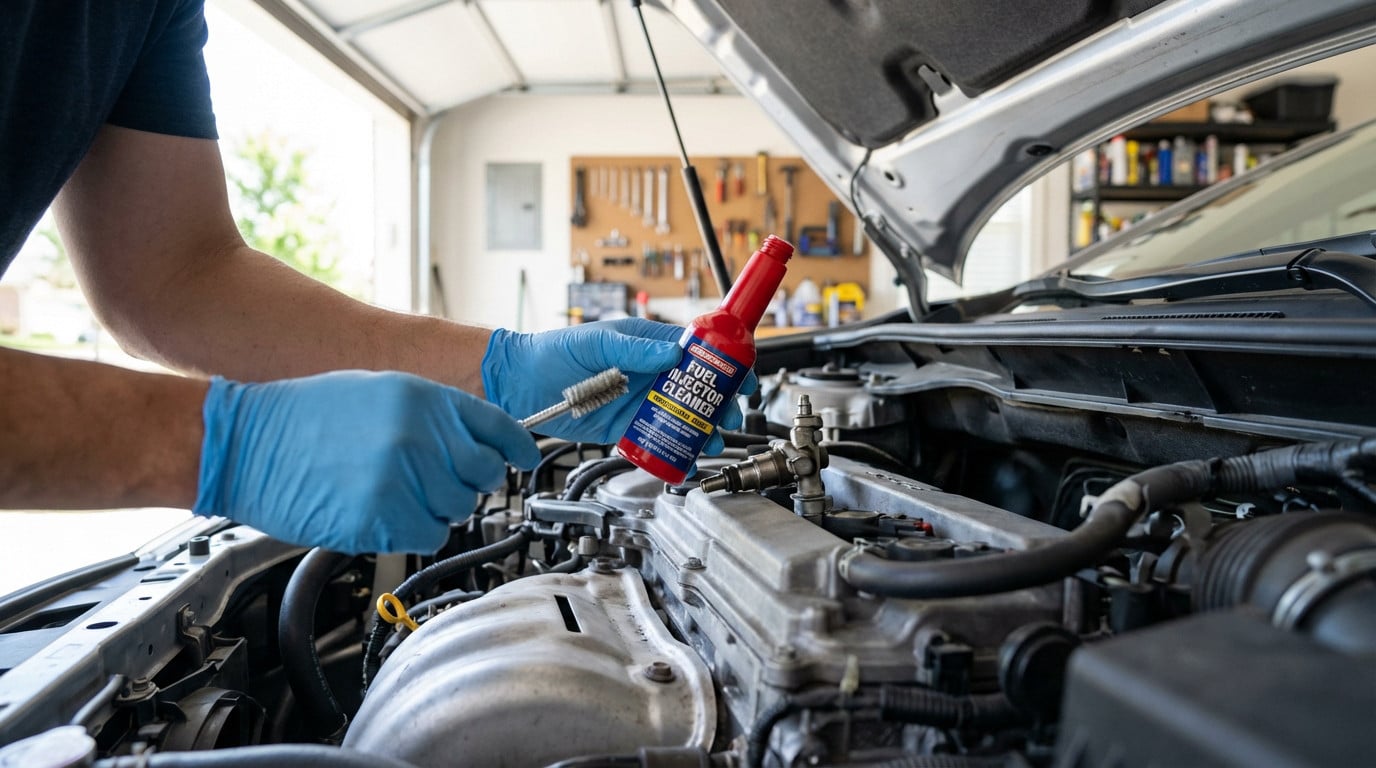
Fuel injection systems can be troublesome. Direct injection specifically causes costly repair bills.
The Importance of Maintenance History
Even a legendary engine design means nothing without proper maintenance. A comprehensive service history is your best proof. It shows the previous owner actually cared for the vehicle. This documentation is non-negotiable for smart buyers today.
Missing maintenance records is a huge red flag. It suggests essential services like oil changes were likely neglected. This silence speaks volumes about the car’s past. You are buying a mystery.
Use a meticulous pre-purchase inspection checklist. Verifying history is part of rigorous inspection.
The Transmission Question: Shifting Through Reliability Myths
Now that we’ve looked under the hood, the second pillar of a car’s reliability is how power is transmitted to the wheels. And here, things get complicated.
Manual vs. Traditional Automatic
When analyzing car reliability factors, the manual transmission stands out as the simplest, most durable choice. Its direct mechanical design naturally holds fewer complex failure points than modern alternatives.
But don’t get too comfortable, because manuals still have wear parts like the clutch and synchronizers that will eventually need replacement. The final bill depends heavily on how aggressively the previous owner drove.
Traditional torque converter automatics are incredibly robust beasts, yet they become financially devastating to repair if a major failure actually occurs.
The Truth About Continuously Variable Transmissions (CVTs)
You have likely heard the mixed reputation surrounding Continuously Variable Transmissions (CVTs). To be fair, early generations suffered from serious, well-documented reliability issues that rightfully scared off many buyers.
While newer designs have improved significantly, the internal belt remains a potential weak spot. Intense city driving, with its constant stop-and-go nature, aggressively accelerates this specific type of wear.
Here is the reality: CVTs demand strictly frequent maintenance, specifically fluid changes, which you must never ignore.
What to Look For When Test Driving
Turn off the radio and shut up for a minute so you can focus entirely on the drive. The transmission speaks volumes about its health if you actually know how to listen.
Pay close attention to exactly how the gear changes feel under your foot. They should be buttery smooth and totally predictable.
Keep your senses sharp for these specific mechanical red flags:
- Hesitation or slipping during acceleration.
- Any whining, humming, or clunking noises.
- Jerky or rough shifts between gears.
- A distinct burning smell after the drive.
If you notice even one of these issues, do not look back; just run away.
Gas, Electric, or Hybrid: The New Reliability Battleground
The Surprising Simplicity of Electric Vehicles
Fully electric vehicles (EVs) offer a shocking mechanical simplicity compared to gas cars. Fewer moving parts means there is simply less hardware that can fail. These are key car reliability factors.
Then there is the massive advantage of regenerative braking. It drastically reduces wear on mechanical brakes by using the motor to slow down. Pads and discs can last over 70,000 miles easily, whereas conventional vehicles often need replacements under 25,000 miles.
You also avoid the hassle of regular oil changes entirely. This lack of fluid replacement cuts down maintenance costs significantly.
The Battery Question: An EV’s Biggest Liability
However, we must address the elephant in the room: the lithium-ion battery pack. It is a consumable component that inevitably degrades with time. Performance drops as the internal chemistry ages.
The financial risk here is what keeps many buyers up at night. Replacing a battery out of warranty is exorbitantly expensive. Small packs often cost over $5,000, while long-range models can easily exceed $10,000 to replace.
Most manufacturers offer 8-year or 100,000-mile warranties to ease these fears. Buying an older used EV remains a significant financial gamble.
Hybrid Vehicles: The Best or Worst of Both Worlds?
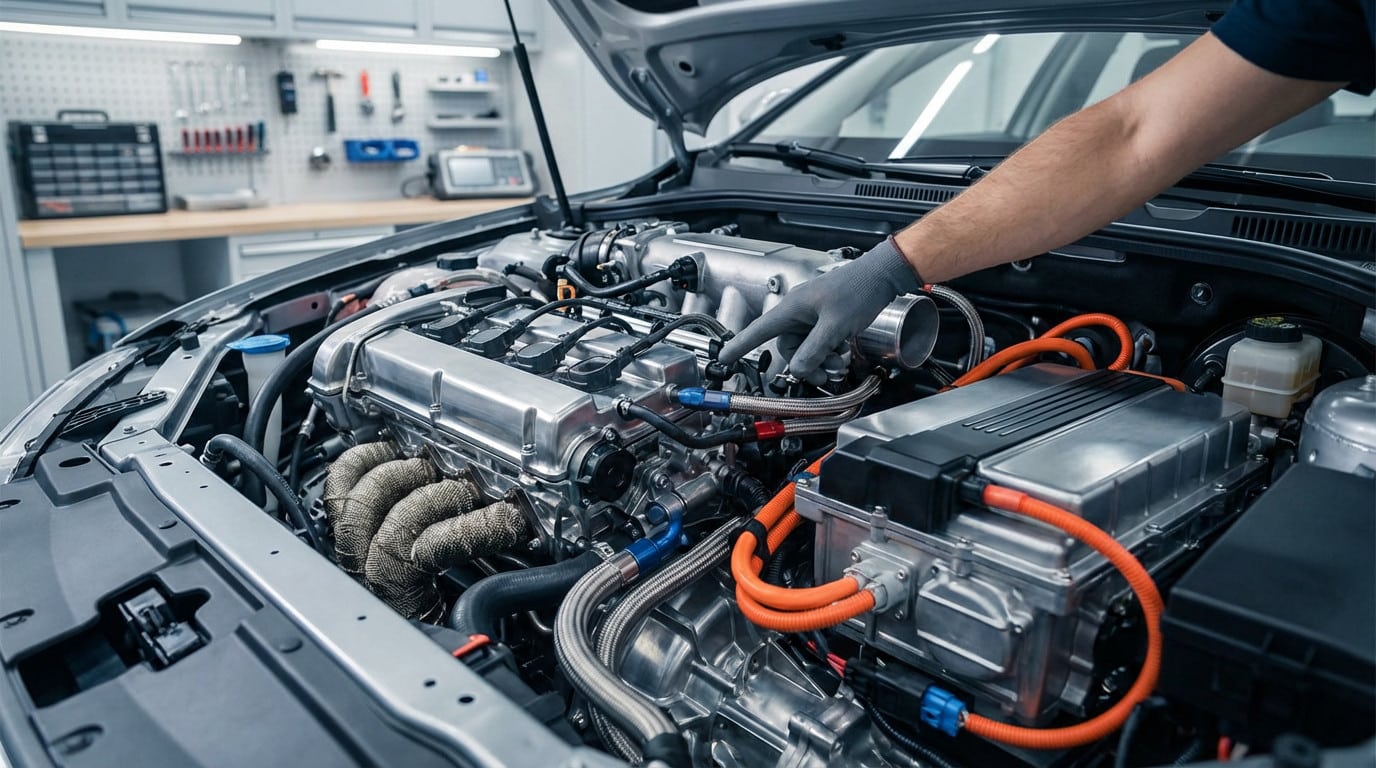
Hybrid vehicles represent a clever engineering compromise between gas and electric power. They benefit from EV perks like regenerative braking to save wear. Yet, they retain all the mechanics of a standard internal combustion engine.
This double motorization means you have more components that might fail eventually. You must maintain the engine, transmission, battery, and power electronics. The performance of modern advanced driver-assistance systems also adds a layer of electronic intricacies to consider.
Becoming Your Own Reliability Expert Before You Buy
How to Read Between the Lines of Reliability Reports
Forget the single “reliability score” you see in headlines; it often hides the truth. Dig into the gritty details published by serious organizations. Your goal is spotting recurring problems reported by actual owners. If a transmission fails early on a specific model, that’s a pattern you must avoid.
Here is where you find the real dirt on vehicle longevity:
- Annual owner surveys from independent consumer testing organizations.
- Large-scale initial quality and long-term dependability studies from automotive market research firms.
- Data on repair frequency, severity, and cost aggregated from a network of certified repair shops.
Asking the Right Questions at the Dealership
Don’t just ask if it’s reliable. Grill them. Ask specifically: “Does this engine run on a timing belt or a chain?” and “Is this a CVT?” These details define your future mechanics bills.
Demand service records immediately. If they hesitate or offer vague answers about the history, walk away. That silence is a massive red flag regarding seller transparency and usually hides a maintenance nightmare.
A Comparative Look at Long-Term Ownership Costs
Real reliability isn’t just about breakdowns; it’s about long-term ownership costs. Assessing these car reliability factors upfront saves your wallet, as expenses shift drastically depending on the tech under the hood.
ICE cars need fluids; EVs eat tires but skip engine work. Hybrids sit in the middle. This table breaks down exactly where your money goes.
| Factor | Internal Combustion (ICE) | Hybrid (HEV/PHEV) | Full Electric (EV) |
|---|---|---|---|
| Routine Maintenance | High (oil, filters, fluids) | Medium (engine service + electronics) | Low (tire rotation, cabin filter) |
| Brake System Wear | High | Low-Medium (regenerative assist) | Very Low (heavy regenerative braking) |
| Primary Failure Point | Engine / Transmission | Engine / Battery / Electronics | Battery Pack / Power Electronics |
| High-Cost Repair Risk | Engine or transmission failure | Battery replacement or engine failure | Full battery pack replacement |
Ultimately, finding a reliable vehicle requires looking beyond the badge. Whether we choose the simplicity of an electric motor or the mechanical endurance of a timing chain, knowledge remains our best defense against costly repairs. By prioritizing transparent maintenance histories and conducting rigorous inspections, we transform a risky gamble into a confident, long-term investment.