Why did we witness a sharp us fatal car accidents increase in 2020, precisely when lockdown measures left our highways emptier than ever before? This article examines the disturbing paradox where open lanes inadvertently invited reckless behaviors, leading to a fatality rate unseen in decades despite the massive reduction in daily commuters. We uncover the specific statistics and psychological factors behind this historic spike to understand exactly how our safety protocols failed to protect vulnerable road users.
The 2020 Paradox: Fewer Miles, More Fatalities
The Counterintuitive Numbers
The raw data from 2020 paints a truly grim picture. According to the NHTSA, 38,680 deaths occurred on our roads. That is a sharp 7.2% spike compared to 2019 figures.
Logic suggests fewer cars should mean fewer crashes. The FHWA confirmed traffic dropped by 13.2% nationwide.
Yet, we witnessed the highest increase in fatal crashes since 2007. Americans drove billions of miles less due to pandemic lockdowns. It defies all standard safety expectations. The math simply does not add up here.
A Fatality Rate Unseen in Decades
We must look at the specific fatality rate to understand the severity. This metric jumped from 1.11 to 1.37 deaths per 100 million VMT. That represents a massive shift in risk for every single mile driven. It is certainly not just a small statistical fluctuation.
The National Safety Council put this into a startling historical context. They noted this year-over-year surge is the highest since 1924. We are seeing a regression in road safety spanning nearly a century.
Empty highways did not save lives as we hoped. Instead, open lanes seemingly invited danger, making our roads significantly more lethal.
Setting the Stage for a Deadly Trend
Sadly, 2020 was not just a one-off statistical anomaly. The US fatal car accidents increase persisted into 2021, reaching nearly 43,000 deaths. It became a sustained crisis.
This grim milestone marks the highest number of fatalities since 2005. The situation deteriorated rapidly before showing any signs of stability. We lost decades of progress in just two years.
So, what turned quiet streets into such dangerous zones? We need to understand why less traffic led to more tragedy.
The Anatomy of Risk: Why Empty Roads Became More Dangerous
A Cocktail of Reckless Behaviors
It seems counterintuitive, but open highways didn’t make us safer; they actually triggered our worst impulses. With law enforcement stretched thin, the drivers left behind embraced a dangerous sense of invincibility.
The NHTSA pinpointed a deadly trio of habits that spiked during lockdowns, turning quiet streets into hazard zones.
You might think traffic jams are the enemy, but clear lanes invited chaos. The data reveals a sharp us fatal car accidents increase driven by these specific factors:
- Impaired driving fueled by alcohol or drugs
- Speeding well beyond posted limits
- Failure to wear a seatbelt during collisions
The Speed Factor: An Open Invitation
Let’s talk about velocity. Without the usual gridlock to slow everyone down, our highways looked like racetracks to aggressive motorists. Average speeds climbed significantly throughout the year, and extreme speeding became a terrifyingly common sight across the country.
This need for speed had lethal consequences. According to official reports, crashes related to speeding jumped by a staggering 11%, proving that open roads are often the deadliest.
It is simple physics, really. Higher speeds mean violent impacts, and unfortunately, they drastically reduce any chance of walking away from the wreck.
Impaired Driving in the Pandemic Era
Sobriety took a backseat during the crisis. Police reports indicate a disturbing 9% rise in fatal crashes involving alcohol, suggesting that many drivers were self-medicating before getting behind the wheel.
It wasn’t just booze, either. Emerging research suggests a correlation between the legalization of recreational marijuana and higher accident rates, adding a complex layer to road safety. Mixing substances became a gamble many were willing to take.
The isolation and stress of the pandemic likely played a major role, pushing substance use up while judgment went down.
A Closer Look at the Victims and Circumstances
Beyond the reckless behaviors, who actually paid the price? The statistics reveal troubling patterns regarding the victims of this sudden carnage.
Breakdown of Fatalities by Road User
The surge in deaths didn’t hit everyone equally. While some groups saw little change, others faced a sharp, dangerous spike that defies the drop in traffic volume.
Take a look at the numbers below. They highlight exactly where the risks escalated the most, showing a clear disconnect between fewer cars and higher danger for specific users.
| Road User Category | 2020 Fatalities | Percentage Increase from 2019 |
|---|---|---|
| Passenger Vehicle Occupants | 23,395 | +5% |
| Motorcyclists | 5,458 | +9% |
| Pedestrians | 6,236 | Stable |
| Cyclists (pedalcyclists) | 891 | +5% |
| Large Truck Occupants | [Data not specified] | Accidents decreased by 2% |
The Alarming Specifics of Fatal Crashes
How these crashes happened tells us just as much as who died. We witnessed a massive regression in basic safety habits that we previously took for granted.
Ignoring seatbelts wasn’t just a minor oversight; it was a fatal error. The correlation between unbuckled drivers and rising death rates is undeniable.
Here is where the data gets ugly regarding crash factors:
- Occupant ejections: up 20%.
- Unrestrained occupants of passenger vehicles: up 15%.
- Speeding-related crashes: up 11%.
- Nighttime crashes: up 11%.
Disproportionate Impact on Specific Communities
We cannot ignore the racial disparities in this crisis. The data is stark: fatalities among Non-Hispanic Black people jumped by a staggering 23%.
Sadly, this wasn’t a blip. The upward trajectory continued, eventually reaching the highest number of fatalities since 2005, proving that marginalized groups remain the most vulnerable.
This isn’t just about bad driving. It points to deep-seated systemic issues in infrastructure and equity that we are failing to address.
The Role of the Modern Vehicle: Bigger and Smarter, but Safer?
Drivers are part of the equation, but the cars they drive are another. The American fleet has changed, and not necessarily for the better in a collision.
The Rise of SUVs and Light Trucks
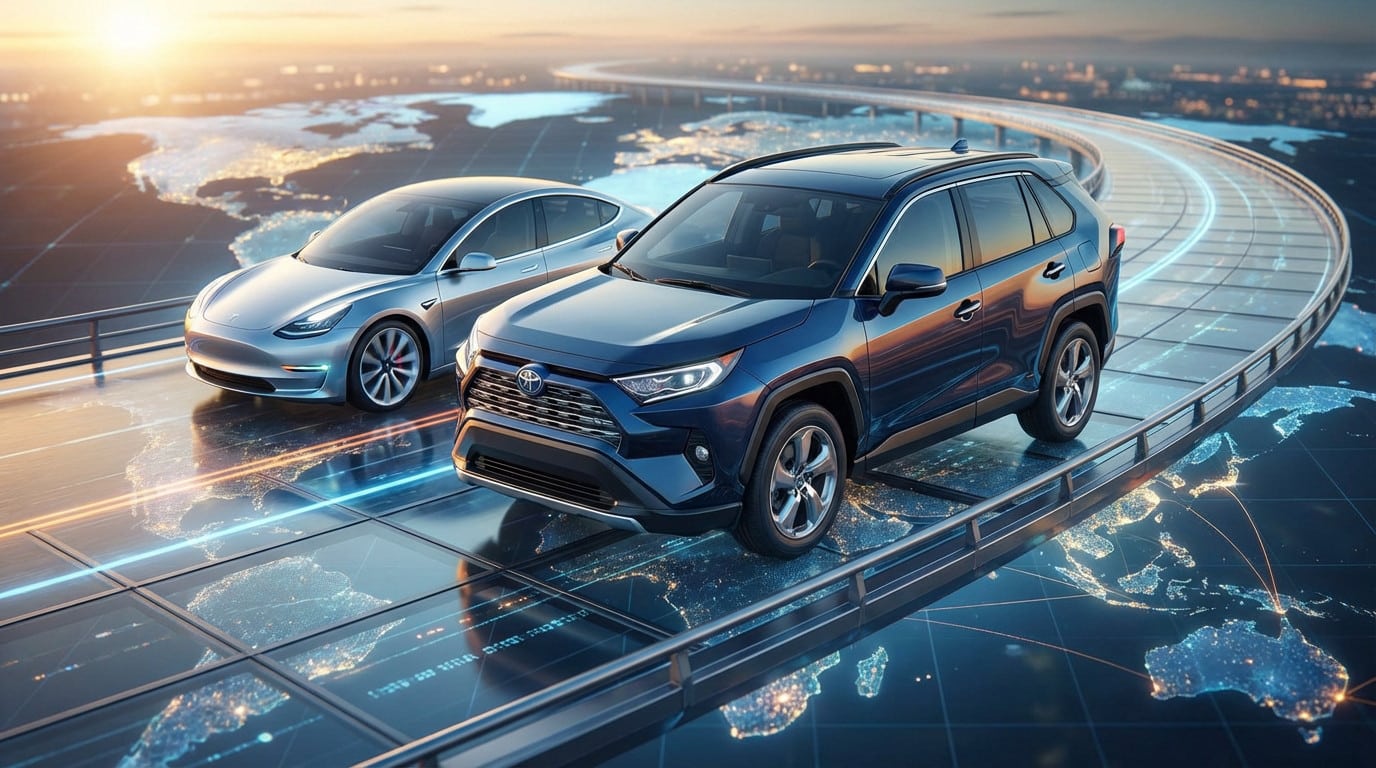
While we scrutinize reckless behavior, we often ignore a massive blind spot: the impact of the changing vehicle fleet. Americans have largely abandoned sedans in favor of SUVs and light trucks, a shift that drastically alters crash outcomes.
It is simple physics. These vehicles are significantly taller and heavier, creating a mismatch that fundamentally changes the dynamics of kinetic energy transfer during any collision.
One has to ask: do these fortresses protect their occupants at the direct expense of everyone else sharing the road?
A Greater Danger for Vulnerable Road Users
This size discrepancy creates a direct threat to pedestrians and cyclists. The point of impact is higher, striking the vital organs of the torso and head rather than the legs.
Even though pedestrian deaths appeared “stable” in 2020, the death toll remains tragically high. The proliferation of oversized vehicles is a known aggravating factor contributing to the us fatal car accidents increase we are witnessing.
We cannot accept a reality where the safety of a driver is purchased with the higher risk to the lives of others outside the vehicle.
Technology’s Double-Edged Sword
We often assume advanced driver-assistance systems are the ultimate solution, but they are not a silver bullet. Automation can breed complacency, leading drivers to pay less attention.
Ironically, the very screens meant to assist us introduce new distractions. Beyond safety, digital hygiene is now a burden, as owners must learn how to delete car personal data to secure their privacy.
In the end, no amount of software can fully compensate for inherently dangerous vehicle design or reckless human behavior.
A Uniquely American Problem: How the US Compares Globally
The Great Divergence in Road Safety
This upward trend isn’t a global fatality, and the us fatal car accidents increase remains a stark outlier. While we struggled, most other developed nations didn’t see this spike. Their historical downward trend actually continued without interruption. The pandemic simply didn’t break their established safety nets.
Take France as a prime, hard-to-ignore counter-example. Their consistent public policies kept driving road mortality down during the lockdowns. It proves that safer roads are possible, even in a global crisis.
But here’s the kicker we often miss. Even back in 2019, the US was lagging behind. We had a much worse record than our peers before the virus hit.
Lessons from Abroad: Policy Makes a Difference
Why did the French and Europeans succeed where we stumbled? It really comes down to proactive, intentional public policies. They prioritize safety over speed, and it pays off in saved lives.
They rely on strict measures like speed limit reductions on secondary roads. They enforce rules with automated speed cameras placed everywhere. Plus, they aggressively design secure pedestrian zones that actually work to protect vulnerable users.
The message is loud and clear for us. Road safety is a political choice, not just dumb luck.
The Highest Fatality Rate Among Peers
Let’s look at a number that really hurts. The US already had the heaviest toll before the 2020 surge. It’s a statistic we can’t ignore if we want change.
In 2019, we had the highest mortality rate (11.1 per 100,000) among high-income countries. That rate climbed even higher to 12.9 by 2021. It’s a trend that should scare us all into action.
This American problem runs deep and structural. It’s not just about the pandemic; it’s about how we drive.
The Road Ahead: Can This Deadly Trend Be Reversed?
Recent Trends and a Glimmer of Hope
We finally see a shift in the data. After the shocking us fatal car accidents increase observed in 2020, statistics from 2023 indicate a 3.6% drop in deaths compared to the previous year.
However, let’s not pop the champagne just yet. While fatalities dipped in 2022 and 2023, numbers remain stubbornly higher than pre-pandemic levels. We are still seeing over 40,000 lives lost annually, which means the danger is far from over.
The real question is whether this recent decline is a lasting correction or if we have simply accepted a more dangerous baseline.
Adopting the ‘Safe System’ Approach
The U.S. Department of Transportation has embraced the “Safe System” approach. The core philosophy is refreshingly simple: humans inevitably make mistakes, so our infrastructure must be designed to forgive them.
It isn’t just about better driving; the strategy requires five synchronized layers of protection to effectively save lives:
- Safer People: Encouraging safe behaviors.
- Safer Roads: Designing roads to mitigate human error.
- Safer Vehicles: Expanding safety features on cars.
- Safer Speeds: Promoting safer speed limits.
- Post-Crash Care: Improving emergency response.
This holistic method moves beyond blaming drivers alone. It shares responsibility across the entire system to ensure that a single error doesn’t result in a tragedy.
The Path Forward for Drivers and Policy Makers
So, what happens next? Policymakers must prioritize investments in safer infrastructure to bring a sense of calm to our streets. We need physical changes that protect vulnerable pedestrians from harm.
Yet, we also hold power behind the wheel. Safety starts with conscious choices, from buckling up to doing proper research to buy a car online safely equipped with modern crash-prevention tech. It is about taking ownership of our daily risks.
The journey to zero deaths is long. However, the tragic spike of 2020 must serve as the electric shock we needed to finally act.
The stark statistics of 2020 serve as a grim wake-up call, revealing that empty roads do not guarantee safety. Reversing this deadly trend requires a collective commitment to the Safe System approach. By combining smarter infrastructure with responsible driving, we can transform our thoroughfares from perilous traps into shared spaces of safety for everyone.