Do you find yourself frantically searching for effective spring cleaning hacks only to feel paralyzed by the sheer magnitude of the extensive seasonal maintenance that awaits you? We effectively dismantle this common anxiety by utilizing simple, innovative strategies and the untapped potential of ordinary, eco-friendly products that are likely already sitting on your kitchen shelves right now. From the strategic application of microfiber cloths to the chemical wizardry of baking soda, we reveal how a methodical approach transforms a chaotic burden into a refreshing, streamlined accomplishment that ensures a pristine home.
Beat the overwhelm: the real strategy for spring cleaning
It’s all in the plan, not the elbow grease
You lose the battle before picking up a sponge if you lack strategy. Success with spring cleaning hacks relies entirely on good preparation, not muscle. We use a room-by-room checklist to track progress and stop that drowning feeling.
It is vital to gather every single supply before you start. Nothing kills momentum faster than stopping to hunt for a sponge, so keep everything within arm’s reach.
We always adhere to the top-down method for logical reasons. Gravity dictates that dust and dirt fall, so we inevitably finish the job by cleaning the floors.
Declutter first, clean later
Trying to clean a cluttered space is a massive waste of valuable time. Decluttering remains the non-negotiable first step for any effective maintenance routine to create a blank canvas.
We adopt the simple “one in, one out” rule to maintain order over the long term. It serves as a fundamental life principle, not merely a cleaning hack.
The four-box technique offers a concrete method for sorting through domestic chaos. You assign a specific container for each distinct category. This forces a decision on every single item immediately, preventing the piles from shifting.
- Keep
- Donate/Sell
- Trash
- Relocate/Repair
Focus on the forgotten spots
The true difference is visible in the details. You must target neglected zones like the top of door frames. Ceiling fans and air vents are also major dust traps that ruin the finish.
A simple damp cloth or the vacuum brush attachment are your best allies here. These tools capture dirt effectively without spreading it to the rest of the room.
Even everyday items like dryer sheets have surprising uses. They actively repel dust on baseboards after cleaning. This simple trick keeps surfaces cleaner.
Your Pantry is the New Cleaning Aisle
Now that the strategy is clear, forget expensive chemical products. The most effective solutions are already sitting in your cupboards.
The 21st-Century Cleaning Marvel: The Magic Eraser
If you ignore the Magic Eraser, you are overlooking a generic engineering marvel that simplifies home maintenance. This dense foam block requires nothing but water to activate its micro-scrubbers, making it the ultimate tool for these spring cleaning hacks.
We all hate those stubborn stains that defy logic, yet this sponge erases permanent marker, crayon disasters, and oily fingerprints as if they never existed.
It is not just for walls; I use it to revive surfaces that seem ruined by daily wear. It excels particularly on:
- Walls and baseboards
- Appliances and cooktops
- Countertops and even laptops
More Than Just for Teeth: The Power of White Toothpaste
Stop viewing white toothpaste solely as oral hygiene; it is a mild abrasive powerhouse hiding in plain sight. Avoid gels, as the classic paste formula possesses the grit needed to tackle grime without damaging finishes.
Rub a small amount on chrome faucets or bathroom sinks. It polishes away water spots, stubborn coffee rings, and soap scum that liquid cleaners often fail to remove completely.
Here is a secret most people miss: it works perfectly to patch small holes in walls before a fresh coat of paint or to whiten yellowed piano keys.
The Humble Microfiber Cloth: Your Best Investment
High-quality microfiber cloths are your most vital asset, far superior to any fancy chemical spray on the market. Honestly, you are wasting money on paper towels when these reusable tools exist.
Their split fibers physically trap dust and grime using only water. This mechanical action makes them a truly ecological and economical solution for a healthy, sustainable home.
For stainless steel, the method is simple: wipe with a damp side to clean, then immediately buff with a dry side. No streaks, just a mirror finish.
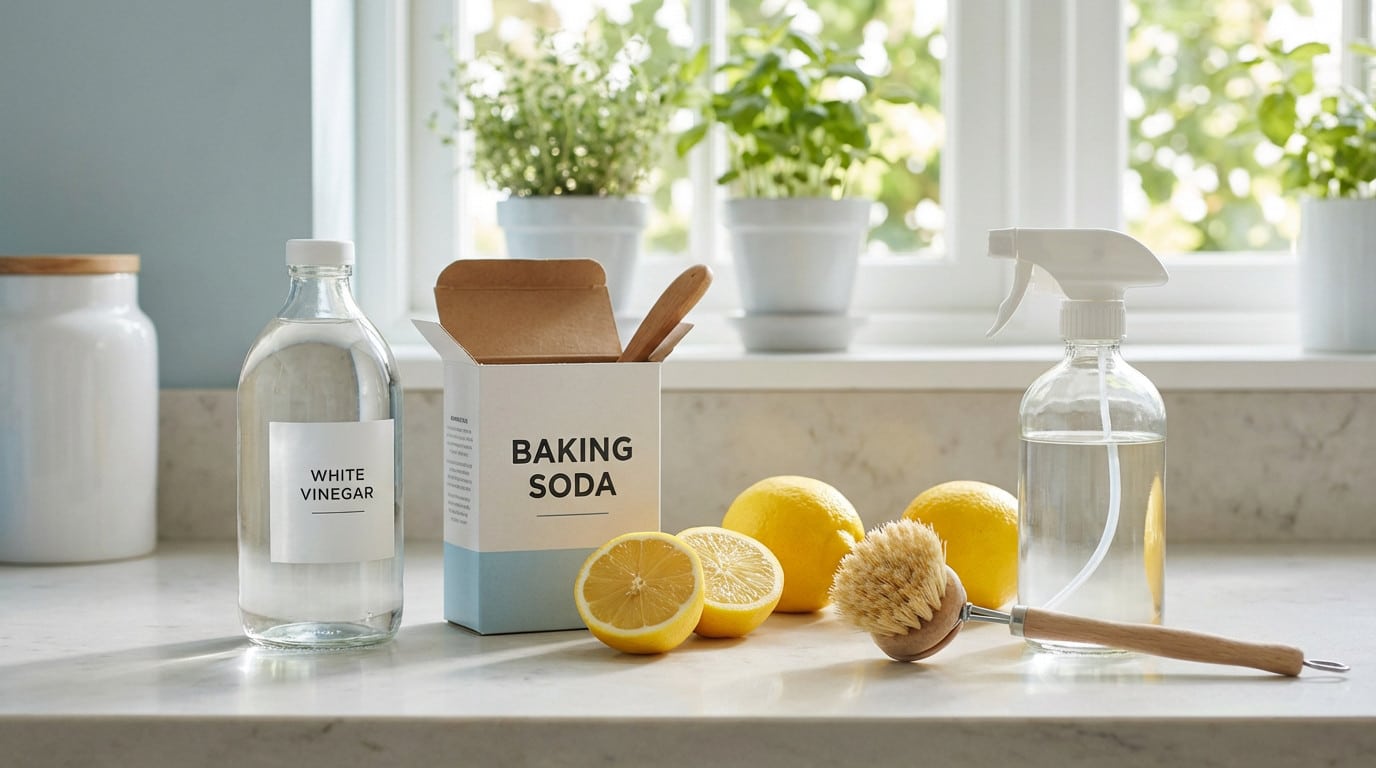
The Unstoppable Duo: Baking Soda and Vinegar
But for deep cleaning, two staples reign supreme.
The Science Behind the Fizz
It isn’t magic; it is basic chemistry at work. When you mix vinegar (an acid) with baking soda (a base), they react vigorously to create carbon dioxide gas, mechanically dislodging grime.
Unlike harsh commercial solvents, this combination is non-toxic and safe for the vast majority of home environments. While heavy-duty industrial jobs using caustic soda cleaning require extreme precautions, this fizzy pair is harmless to your lungs.
Your Go-To Recipes for a Sparkling Home
Consider this section your ultimate cheat sheet for tackling the most stubborn spring cleaning hacks without breaking a sweat.
You can even use these ingredients for tasks usually reserved for specialized products, cleaning deep inside appliances, much like dishwasher tablet uses.
| Cleaning Task | The Natural Hack | Instructions |
|---|---|---|
| Clogged Drains | Baking Soda + Vinegar | Pour 1/2 cup baking soda, then 1/2 cup vinegar. Cover for 15 mins, then flush with hot water. |
| Stained Grout | Baking Soda + Water Paste | Apply paste to grout, spray with vinegar, let it fizz, then scrub with a brush. |
| Smelly Dishwasher/Washing Machine | Vinegar + Baking Soda | Run a hot cycle with a cup of vinegar in the machine, then a second run with baking soda sprinkled at the bottom. |
| Greasy Cooktop | Baking Soda Paste | Create a paste of baking soda and water. Apply, let sit for 15 minutes, and wipe away. |
| Dull Sink | Baking Soda + Vinegar | Sprinkle baking soda, scrub with a sponge, then rinse with vinegar to make it shine. |
| Deodorize Toilets | Baking Soda + Vinegar | Pour a cup of vinegar in the bowl, add baking soda, scrub during the fizzing reaction. |
A Word of Caution
Stop before you spray everything in sight. Vinegar is acidic and will eat away at the sealant on marble, granite, and natural stone, leaving dull, etched marks that you cannot buff out.
A little common sense goes a long way here. Always spot-test a hidden patch before slathering a new mixture over a large area to ensure you don’t accidentally ruin a prized surface.
Salt and Lemon: The Unsung Heroes of Your Kitchen
Salt: The Gentle Abrasive You Already Own
Stop looking at salt merely as a seasoning; it is actually a phenomenal cleaning agent. Its granular texture acts as a gentle abrasive, while its absorbent nature pulls grime right out of surfaces without scratching them.
You can easily refresh a funky refrigerator without buying expensive pods or chemicals. Simply combine salt with baking soda on a plate, and it will actively neutralize those lingering food odors that usually refuse to leave.
If you have dreaded water marks on your wooden furniture, don’t panic or refinish the table yet. Create a paste with salt and a few drops of water, rub it gently over the ring, and polish it away.
Lemon Juice: Nature’s Bleach and Deodorizer
Think of lemon juice as nature’s own bleach and a potent antiseptic. It attacks bacteria and brightens surfaces while acting as a deodorizer that puts synthetic fragrances to shame, making it a powerhouse for eco-friendly homes.
Here is one of those genius spring cleaning hacks for a filthy microwave that actually saves time. Heat a bowl of water with lemon juice for three minutes; the resulting steam softens baked-on food, allowing you to wipe it clean without scrubbing.
This acid is also your best bet for tackling ugly rust stains in sinks. It works incredibly well to break down oxidation, especially when you boost its power by adding salt to the mix.
Powerful Combos for Tough Jobs
While great alone, mixing these ingredients delivers a one-two punch for stubborn grime. You get the physical abrasion of salt and the chemical acidity of lemon working together for superior results that soap often misses.
To rescue stained coffee pots, toss in salt, crushed ice, and a little water. Swirling this mixture creates a cold scouring vortex that removes burnt oils and residue that standard glass cleaners just can’t reach.
For your wooden cutting boards, skip the harsh chemicals that seep into the grain. Rub a lemon half dipped in salt over the surface to disinfect and deodorize everything in a single, satisfying step.
Room-by-Room: Surgical Strikes
Armed with the right knowledge, it is time to go on the offensive with targeted tactics for the home’s most critical zones. These spring cleaning hacks rely on strategy rather than just brute force, ensuring you don’t waste time on methods that fail.
The Kitchen and Bathroom Battleground
In the kitchen, the focus is squarely on degreasing. Start by completely emptying and wiping down the cupboards, then attack your appliances with natural solutions to cut through the grime without chemical residue.
Shift fire to the bathroom, where the priority becomes disinfection and descaling. You need to relentlessly target the faucet, tile grout, and showerhead, as these damp areas are prime real estate for bacteria.
A word of warning: never use abrasive powders on enamel bathtubs or sinks, as they cause permanent scratches that trap dirt. Surprisingly, gentleness is often your most effective weapon against buildup on these delicate surfaces.
Crystal Clear Windows Without the Streaks
Here is a counter-intuitive tip that changes everything: only wash your windows on a cloudy day, never when the sun is blazing. Ignoring this simple rule is why most people fail to get clarity.
You see, direct sunlight causes your cleaning solution to evaporate way too fast. That rapid drying is the main culprit behind those ugly streaks that ruin your hard work.
Steal this method from the pros: use a microfiber cloth to wash the glass, then immediately follow up with a squeegee. It guarantees a perfect, streak-free dry with practically zero effort.
Tackling the Dreaded Oven
Let’s make cleaning the oven easier without using that smelly, energy-hogging self-cleaning function. The secret isn’t scrubbing harder; it is about softening the dirt first to save your back.
Here is the method: heat your oven to a low temperature (about 120°C / 250°F) for just 15 minutes. Turn it off, then immediately spray your vinegar and water mixture.
Walk away and let it sit for 20 minutes. The residual heat and steam will have loosened the baked-on grease, making it incredibly easy to scrub away.
The Aftermath: Responsible Disposal and a Breath of Fresh Air
You have scrubbed and scoured, but if you dump everything into one black bag, you miss the point. Proper sorting remains the backbone of legitimate spring cleaning hacks that actually respect the ecosystem.
We aren’t just talking about the usual paper and plastic suspects. You need to look at the weird stuff, like pill bottles that can be reused or recycled instead of clogging up a landfill forever.
Honestly, throwing certain things in the regular trash is a disaster waiting to happen. Some items demand special handling because they are toxic, dangerous, or simply too bulky for standard pickup.
- Old paints and chemicals
- Mattresses and large furniture
- Electronics (e-waste)
- Batteries
Finding a New Home for Your Unwanted Items
Don’t guess where this stuff goes; hop online and find specific recycling programs. Retailers often take back electronics, and local councils usually have designated days for hazardous mess.
If your old sofa or blender still works, don’t trash it. Local charities, shelters, or even neighborhood online groups are often desperate for decent goods that you just don’t need anymore.
Here is the truth: extending an object’s life is the most ecological move you can make. It beats recycling every time because it stops the manufacturing cycle for a new product cold.
Let the Fresh Air In
Now for the payoff. Once the clutter is gone, do the simplest, most satisfying thing possible: open the windows wide and let the breeze sweep through every room.
You are not just chasing away the smell of vinegar or lemon. You are actively flushing out stagnant indoor pollutants and allergens that accumulate over winter, drastically improving the air quality.
To keep that air crisp, bring in some green allies. I always recommend adding indoor plants like a Spathiphyllum or a Philodendron; they act as natural, silent air filters that never stop working.
Ultimately, spring cleaning evolves from a dreaded obligation into a revitalizing ritual. By harnessing the power of simple ingredients and a strategic plan, we reclaim our homes without harsh chemicals. Embrace this sustainable approach to create a sparkling sanctuary that breathes new life into your living space and offers a profound sense of accomplishment.