Do you perceive racing simply as fast cars on a loop, missing the profound human and mechanical drama that silently dictates the outcome of every lap? We analyze the distinct motorsport facets that elevate this discipline above mere entertainment, meticulously connecting the lawless origins of prohibition smugglers to the rigorous safety standards defining today’s professional circuits. You will uncover how peculiar trackside superstitions, fierce driver rivalries, and pioneering technologies converge to shape an industry where the margin for error is virtually nonexistent.
From Moonshine Runners to Global Spectacle: The Roots of Racing
The Prohibition Connection
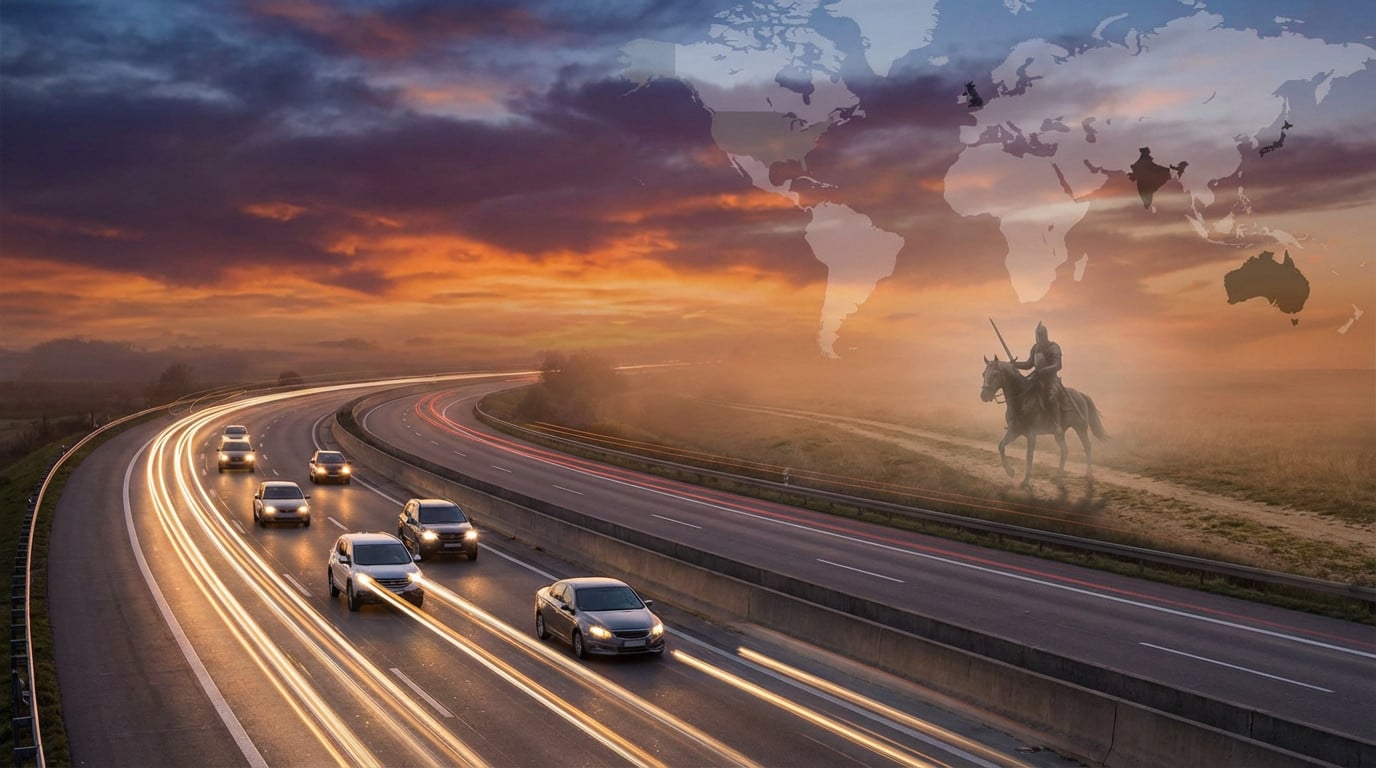
You might assume NASCAR began on a corporate circuit, but you would be wrong. Its true origins are gritty, rooted deep in the American Prohibition era. The original drivers were not athletes; they were desperate alcohol smugglers running from the law.
These “moonshine” runners modified their vehicles to outrun police cruisers. On those winding backroads, they developed raw, dangerous driving skills. It was the violent, adrenaline-fueled birth of stock car racing.
Eventually, these illicit showdowns became organized events, effectively laying the asphalt for what is now a massive, multi-billion dollar entertainment industry.
The Birth of Organized Competition
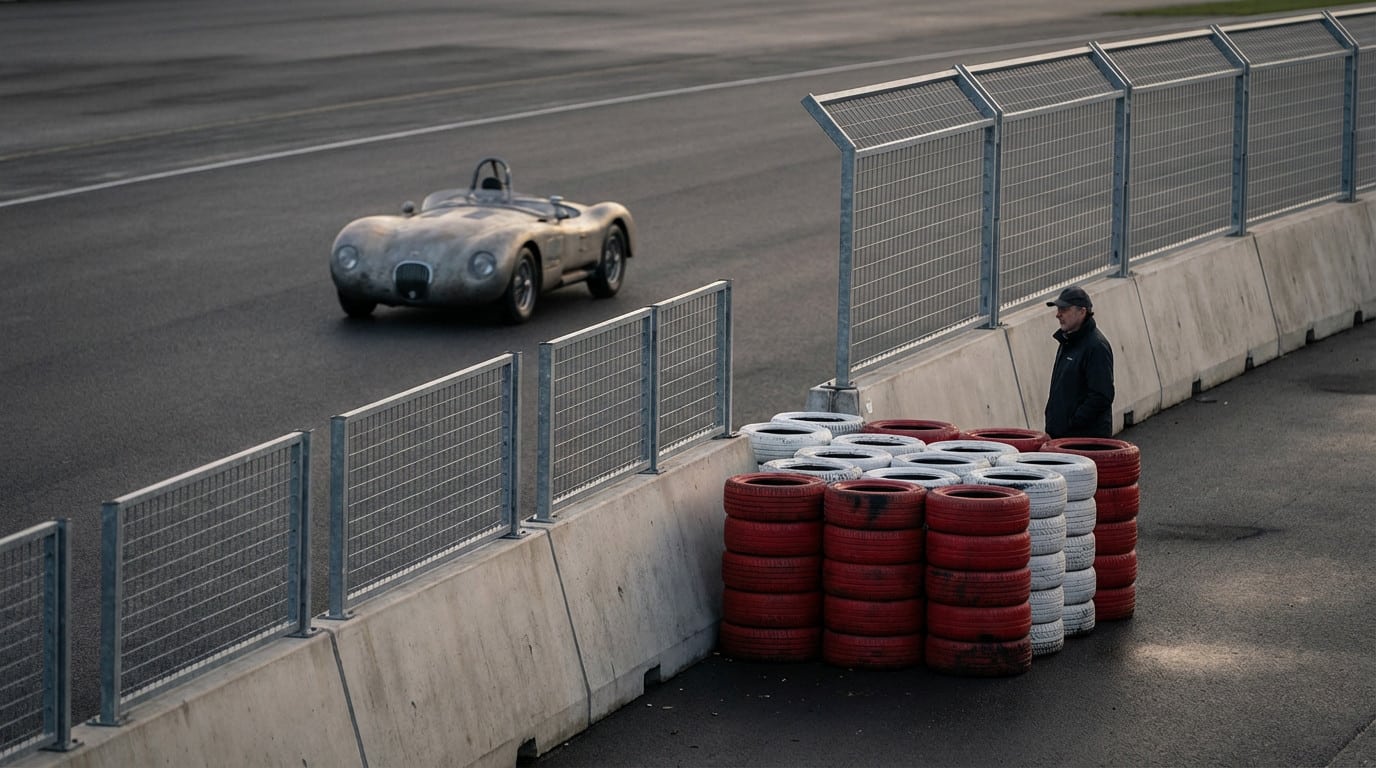
Long before the bootleggers, the first official race happened: Paris-Rouen in 1894. Speed mattered, sure, but the real test was simply finishing. It was about survival and mechanical reliability rather than just raw pace.
By the 1920s, Grand Prix racing turned the sport into a high-speed laboratory. Engineers pushed limits with innovations like double overhead camshafts and hydraulic brakes. The track became the ultimate proving ground for technology that eventually reached your driveway.
This chaos needed structure, leading to the creation of Formula 1. It standardized single-seater competition, defining the absolute pinnacle of professional motorsport.
An Ever-Evolving Sport
With speed comes risk, so strict regulation became non-negotiable. The FIA (Fédération Internationale de l’Automobile) stepped in as the supreme governing body to police the madness and set the standards.
Today, the FIA supervises everything from F1 to the rugged WRC. They ensure technical regulations and sporting codes remain consistent, keeping the competition fair and the drivers alive.
Even celebrations have history. Dan Gurney at Le Mans in 1967 started a now iconic tradition: spraying champagne on the podium.
More Than Just Circles: The Sheer Variety of Motorsport
After tracing the sport’s origins, it is time to shatter a common myth: motorsport isn’t just one thing. The sheer variety is staggering, offering far more than cars endlessly looping a track.
Beyond the Formula: Exploring Diverse Disciplines
Formula 1 stands as the absolute peak of single-seater circuit racing, demanding perfection. Then you have Endurance, where the 24 Hours of Le Mans reigns as the ultimate test of mechanical reliability.
Contrast that with Rally (WRC), where drivers fight against the clock on gravel, asphalt, and snow. Using cars derived from production models, it serves as a brutal examination of versatility for both the human and the machine.
Down under, the V8 Supercars Championship dominates the scene, though this Australian powerhouse is actively looking to expand globally.
The Theater of Extremes
Let’s talk about spectacle. Monster Jam packs stadiums worldwide, turning giant truck battles into a massive financial success. It is pure, lucrative entertainment, proving that motorsport doesn’t always need a traditional finish line to capture a global audience.
For purists, the Bonneville Salt Flats are holy ground. There are no corners here, just the pilot against air resistance in a singular, obsessive quest for raw speed.
Then there is the Rebelle Rally, an exclusively female event across the Nevada and California wilderness. It strips away technology, demanding old-school navigation skills and extreme endurance over eight days.
Comparing the Giants of the Track
Every series operates in its own universe with unique rules. To really grasp the scale of these differences, a direct comparison is often the only way.
The gap between disciplines is massive. You cannot simply compare the aerodynamic obsession of open-wheelers with the brute force of stock cars. Strategy, technology, and the type of spectacle vary wildly between series. The table below breaks down the key characteristics of four major championships to help you better understand these distinct facets of motorsport.
| Discipline | Engine/Powertrain | Typical Venue | Key Challenge |
|---|---|---|---|
| Formula 1 | 1.6L V6 Turbo Hybrid | Dedicated race tracks | Aerodynamic efficiency & tire management |
| NASCAR | 5.8L V8 Naturally Aspirated | Ovals & road courses | Close-quarter racing & drafting |
| WRC (Rally1) | 1.6L 4-Cylinder Turbo Hybrid | Public roads (asphalt, gravel, snow) | Adapting to changing surfaces & conditions |
| Formula E | Full Electric (350kW) | Temporary street circuits | Energy management & regeneration |
The Razor’s Edge: Safety’s Painful and Necessary Evolution
Learning From Tragedy
Let’s be brutally honest here: motorsport is deadly by nature. The 1955 Le Mans disaster remains one of the darkest days, where a crash killed a driver and over 80 spectators. That horrific event forced a massive wake-up call.
Sadly, it often takes heartbreaking accidents to act as the catalyst for major changes in safety regulations. Each tragedy has directly led to better protection. We learn the hard way.
Look at Jochen Rindt, who became F1 world champion posthumously in 1970. That stark reality highlights just how raw the risks used to be back then.
The Tech That Saves Lives
Thankfully, smart innovation stepped up to change the game. We started with basic seatbelts and fire-resistant Nomex suits to buy drivers precious seconds in a fire. It was a vital start.
Then came the HANS (Head and Neck Safety) device, developed by Dr. Bob Hubbard following a tragic wreck. This invention significantly reduced fatal neck injuries. It keeps the head from snapping forward. It is now non-negotiable gear.
Modern racing now relies on the carbon fiber survival cell for impact absorption. We also have the Halo in F1, which shields the pilot’s head from flying debris effectively.
Who Pays For The Wreck?
Here is a practical question most fans never ask: financial liability. What actually happens when a car worth millions gets destroyed on the track? You see the problem, right?
It usually depends on the specific contracts. Generally, the team swallows the costs, covered by massive insurance policies and hefty budgets. Drivers rarely pay out of pocket for damage.
However, for less wealthy drivers in lower series, a bad crash is devastating. It can mean the end of their season or even their entire career.
Nuts, Green Cars, and Rituals: The Superstitions of the Track
Face specific dangers and uncertainties, and it is no surprise that the paddock is a place filled with strange superstitions and rituals.
The Strange Case of the Unlucky Peanut
You might think it is a joke, but peanuts are enemy number one in American racing paddocks. Mechanics and drivers genuinely ban them from the pits. Bring a bag near a race car, and you get kicked out. It is that serious.
This fear isn’t random. It dates back to a grim series of crashes in the 1930s. Legend says rescue crews found peanut shells inside the wreckage of fatal accidents. Since then, nobody risks ignoring this bizarre rule.
Colors and Numbers of Bad Omen
Green paint is another massive taboo on NASCAR circuits. This fear started way before the series even existed, following Gaston Chevrolet’s death in a green car. Drivers still hesitate to run green liveries today.
Numbers can be just as terrifying, as the tragic Ascari family history proves. Alberto Ascari’s death mirrors his father’s fate in a way that defies logic.
The coincidences surrounding these two Italian legends are enough to make any skeptic pause. Just look at the chilling parallels between father and son:
- Antonio and Alberto Ascari both died at 36 years old.
- They both died on the 26th day.
- Both crashed on a left-hand corner, four days after surviving a serious accident.
- Both had won exactly 13 Grand Prix races.
From Personal Habits to Team Rituals
Not every superstition is about avoiding death. Many drivers rely on strict personal routines to lock in their focus. Some always put their left glove on first. It sounds small, but it sets their mind right.
These odd habits give them a sense of control in a totally chaotic environment. When you are driving at 200 mph, you need every mental edge you can get. It calms the nerves instantly. That tiny ritual becomes a necessary psychological anchor.
The Human Element: From Celebrity Racers to the Fight for a Spot
When Stars Hit the Track
Forget the red carpet; the asphalt tells the real truth about passion. Actors like Steve McQueen, Paul Newman, or Patrick Dempsey didn’t just play the part for a paycheck; they were genuine, grit-toothed race car drivers. They traded comfortable scripts for steering wheels, proving they could handle the heat where retakes aren’t an option.
Their success on the circuit demonstrated that the skills needed on a movie set—intense concentration, precision, and stress management—aren’t so different from clipping an apex at 200 mph. They silenced the critics, showing that their need for speed wasn’t just a wealthy celebrity’s whim.
The Eternal Debate: Who Is the Greatest?
Walk into any pub, ask who the “Greatest Of All Time” (GOAT) is, and you’ll start a war. In F1, the battle lines are drawn between Senna, Schumacher, and Hamilton, while NASCAR fans argue fiercely over Petty, Earnhardt, and Johnson.
These heated, endless discussions are actually the lifeblood of motorsport culture. They keep the beers flowing and the forums burning, cementing the emotional investment in our Sunday heroes.
Beyond the cold statistics, it’s the narratives that hook us. These rivalries create deep and sometimes complex bonds that define the human drama behind the visor, making the sport about people, not just machines.
Breaking Barriers on the Grid
Motorsport is finally looking in the mirror and realizing it needs to change. Inclusivity isn’t just a buzzword anymore; opening the paddock doors is a necessary shift for the sport’s survival and future relevance.
Women are carving out their space, though the tarmac remains slippery. While the road ahead is long, specific figures and events are smashing the old boys’ club mentality and proving that talent doesn’t have a gender.
- Lella Lombardi: The only woman to ever snag points in the Formula 1 World Championship (0.5 points in 1975).
- The Rebelle Rally: An all-female off-road navigation test covering over 2,000 km, prioritizing precision over raw speed.
- The W Series: A single-seater championship built explicitly to propel female talent into the upper echelons of racing.
The Tech Arms Race: From Belly Tanks to Autonomous Racing
In the end, motorsport is just a high-speed research lab. The desperate need to win forces engineers to break every technological limit they can find.
Raw Power and Clever Engineering
You think you know fast? A Top Fuel dragster hits 100 mph in less than a second. That is not a typo. The seismic activity from the starting line actually registers on the Richter scale.
Now, compare that brute force to the precision of a wastegate. It is a simple valve that regulates turbo pressure to optimize power. Without it, engines would just blow themselves apart.
Innovation is not always high-tech, though. Post-war hot rodders built the “belly tank racer” from discarded airplane fuel tanks. They turned scrap metal into aerodynamic legends.
The Future Is Now: Sustainability and AI
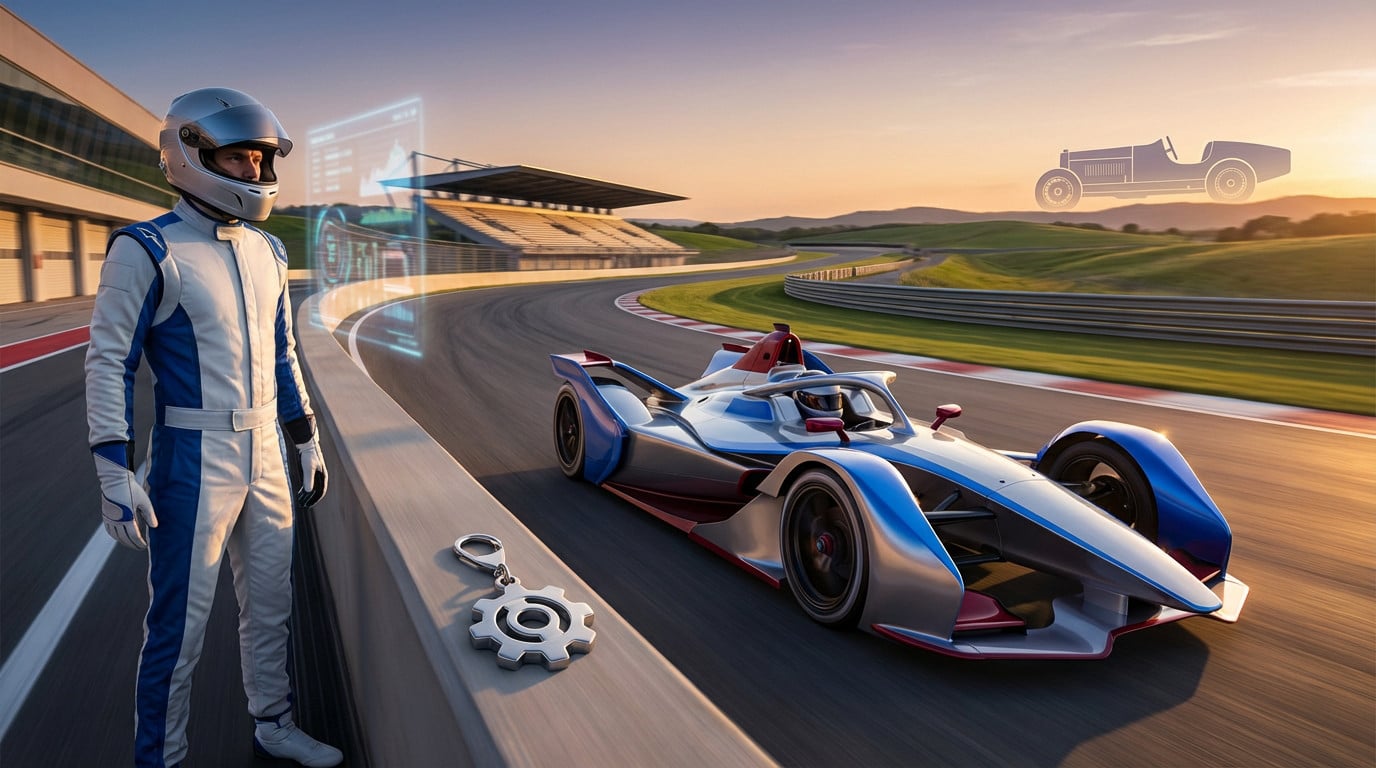
Motorsport is going green, whether die-hard fans like it or not. Formula E led the charge, and now MissionH24 wants a hydrogen prototype at Le Mans. Racing is a laboratory for sustainable mobility.
Then there is the massive rupture of artificial intelligence. We now have driverless race cars on the track. Programs like Berkeley’s ROAR are actually winning autonomous competitions today.
Your daily commute car owes everything to the racetrack. The tech transfer pipeline is real and it has given us:
- Disc brakes (first seen at Le Mans in 1953)
- Carbon fiber (popularized in F1 in the 80s)
- Hybrid engines (developed in Endurance in the 2000s)
Too Fast to Race?
Here is the bitter irony of racing engineering. Sometimes, a car is so high-performing that it gets banned. The rulebook gets thrown at you because the advantage is deemed “unfair.”
Look at the monsters of Group B rally or F1 “fan cars.” These bans highlight the eternal tension between the quest for performance and the need for a safe, balanced fight.
From the rebellious roots of moonshine runners to the silent precision of autonomous algorithms, motorsport remains a captivating reflection of human ambition. We witness a relentless pursuit of speed where danger, innovation, and passion collide. Ultimately, this high-octane theater proves that the race for excellence never truly ends.