Do you still hesitate to make the switch because of lingering fears about range anxiety, charging logistics, or availability that cloud the decision-making process? We address these hesitations by presenting five common electric vehicle myths debunked, proving that the reality of daily ownership is far simpler than many believe. You will see how rapid technological advancements and simplified tax credits have transformed these perceived obstacles into distinct advantages for the modern driver.
Myth 1: Charging an EV Is a Nightmare
You have seen the sales figures climbing. But let’s be honest, you are probably hesitating because of the horror stories about plugs and range. It is time to get these electric vehicle myths debunked, starting with the biggest one.
The Reality of Home Charging
Forget the gas station detour. For most owners, fueling happens while you sleep. It’s like plugging in your smartphone; you wake up to a full “tank” every single morning.
Sure, it’s not a perfect setup for everyone yet. Apartment dwellers or those without garages face real hurdles. But landlords and cities are waking up, installing curbside plugs and shared stations to bridge that gap.
For the vast majority of homeowners, the “hassle” is literally taking five seconds to plug in before bed.
The Public Charging Network Is Exploding
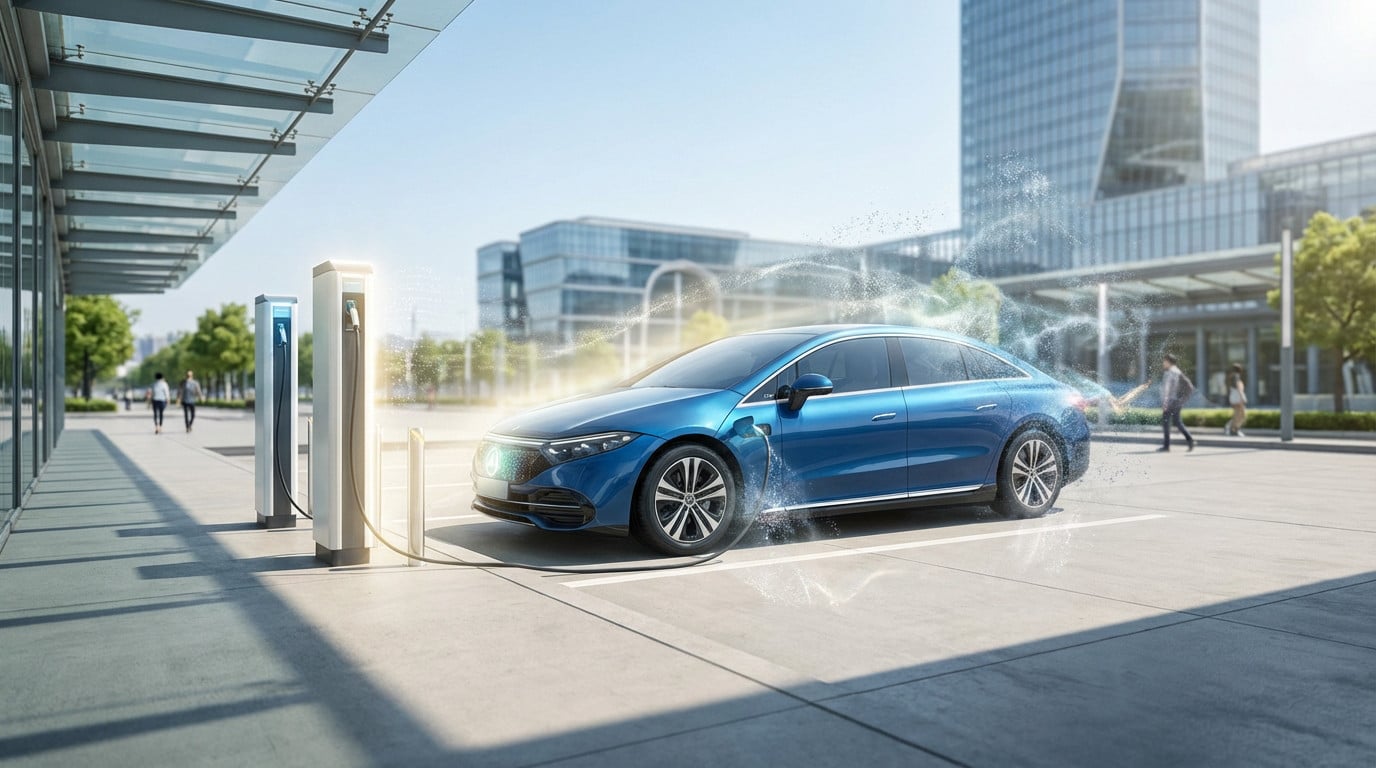
You might picture a barren wasteland with zero plugs. That image is ancient history. Today, there are over 160,000 public chargers across the U.S., making it easier than ever to find juice when you’re away from home.
The pace is frantic. In fact, the number of charging stations added in 2022 alone was higher than the installations of the previous three years combined.
This growing public charging infrastructure is already vast and expanding daily.
This isn’t just a government project; private heavyweights are leading the charge alongside federal funding to kill range anxiety for good.
- Tesla’s commitment: Over 1,400 Supercharger stations in the U.S.
- Legacy automakers stepping up: Mercedes-Benz planning a 2,500-charger network.
- Government investment: The Bipartisan Infrastructure Law is injecting $5 billion to add 500,000 new public chargers.
Myth 2: You Can’t Go Anywhere With That Range
Range Anxiety Is a Thing of the Past
Let’s be honest, the fear of getting stranded with a dead battery was a legitimate concern with those early EVs. However, relying on that outdated notion today is a mistake, as battery technology has evolved massively to make that fear completely obsolete for modern drivers.
Here is the reality check: your daily drive is likely much shorter than you think. Statistics show that 98% of trips in the US are under 75 miles, a distance easily covered without sweating or constantly eyeing the dashboard.
Today’s models offer more than enough range for typical daily use, handling the vast majority of driving needs effortlessly.
Today’s EVs Go the Distance
You don’t need a six-figure budget to get decent mileage anymore. Even entry-level options now deliver impressive stats, proving that the idea of limited mobility is just one of those electric vehicle myths debunked by hard data.
The numbers speak for themselves, showcasing a variety of options from budget-friendly to ultra-luxury. You see, even the Hyundai Kona Electric—one of the most affordable options—offers substantial range that covers way more than a grocery run. On the other end, the Lucid Air stands as proof of what is technologically possible, smashing limits with over 500 miles, though it comes with a steep price tag. These figures prove that range is no longer a barrier, but a choice you make based on your budget.
| Model | Starting Price (USD) | EPA-Estimated Range (km/miles) |
|---|---|---|
| Hyundai Kona Electric | ~$33,550 | ~415 km / 258 miles |
| Hyundai Ioniq 5 | ~$42,785 | ~488 km / 303 miles |
| Tesla Model S | Variable | ~637 km / 396 miles |
| Lucid Air (Luxury) | ~$138,000 | ~830 km / 516 miles |
Myth 3: Good Luck Finding an EV at a Dealership
So, range anxiety is settled. But what about the actual purchase? One of the specific electric vehicle myths debunked is that it is impossible to find or test drive a car. Many believe the lots are empty. Let’s look at why that feels true, even when it isn’t. It is not actually a stock issue.
The Dealership Disconnect
You might assume everyone buys online now. Yet, 73% of consumers still demand a physical test drive and a local purchase. They want to touch the metal before committing to the switch.
The inventory actually exists on the lot right now. However, dealers often fail to showcase these cars properly. The real barrier is a lack of training and enthusiasm among legacy sales teams. They simply don’t know how to sell them effectively.
This creates a frustrating disconnect for eager buyers. It makes finding a model for a test run feel surprisingly difficult, even when cars are technically available.
Manufacturers Are Forcing a Change
Major automakers finally understand this massive bottleneck. Consequently, they are actively forcing dealers to invest in training, technical support, and specific equipment. They are tired of losing sales to confusion and poor customer service.
The goal is transforming salespeople into true EV advisors. They must be able to answer complex questions confidently and correctly.
The traditional sales model is adapting fast. We are seeing innovative car dealership strategies emerge to meet this new reality. The industry is finally waking up to what buyers actually need.
Myth 4: Driving an Electric Car Is Just Plain Boring
So, you’ve found your EV. But won’t you miss the roar of a gas engine? Let’s debunk the idea that driving an EV is as exciting as watching paint dry.
The Silent Thrill of Instant Acceleration
Let’s kill this noise right now: EVs are anything but dull. Their secret weapon is instant torque, delivering a punch of acceleration the second your foot hits the pedal.
Take the electric Mustang Mach-E, for instance. It actually outperforms its gas-guzzling cousin in a 0-60 mph sprint. That isn’t just an alternative; it is a performance upgrade that leaves combustion engines in the dust.
You can read specs all day, but the test drive is the real deal-closer. Feeling that silent, G-force-inducing launch is usually the moment the skepticism evaporates.
More Than Just Speed: Raw Capability
But speed isn’t the only metric that matters. We are seeing electric vehicle myths debunked in real-time as performance translates into serious grunt work. Modern electric trucks aren’t toys; they are hauling beasts capable of heavy lifting.
This power comes from incredible vehicle energy efficiency, allowing motors to do more with less waste.
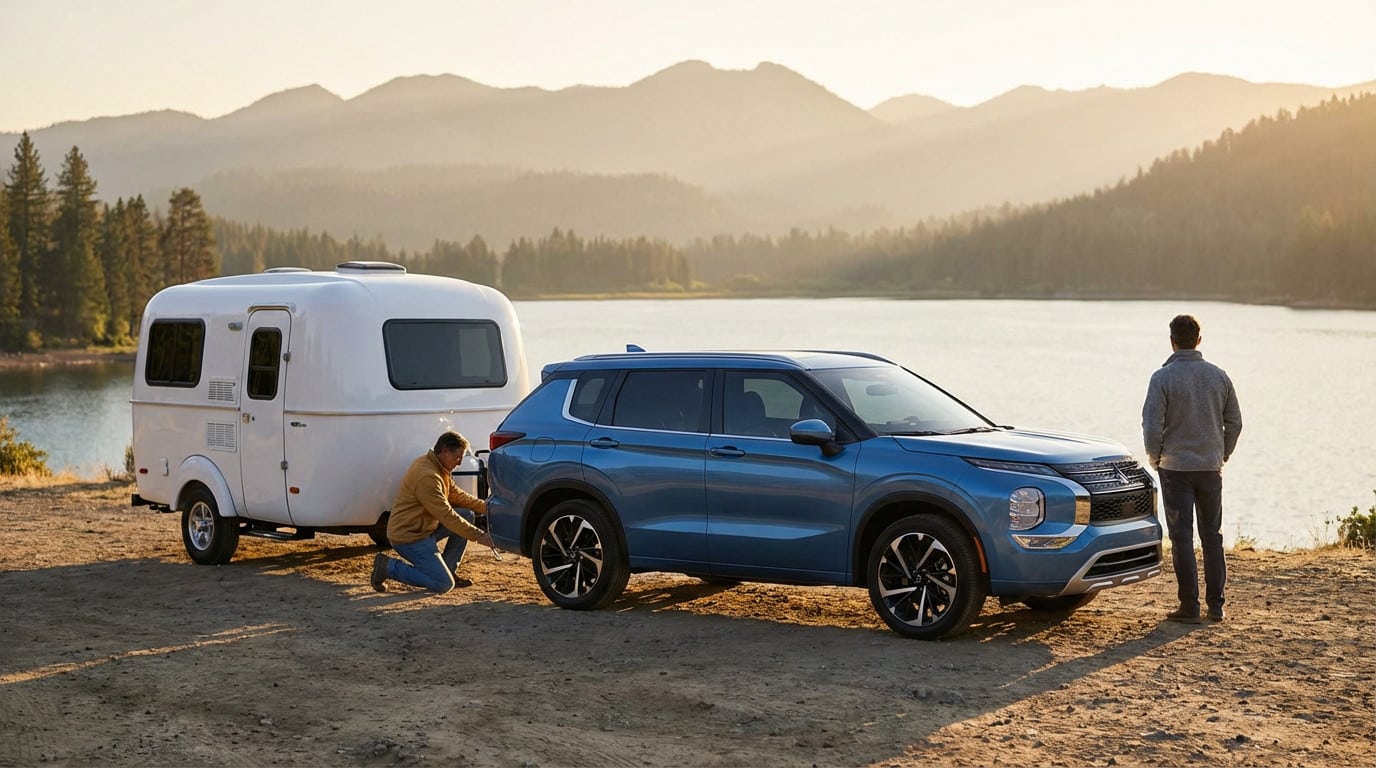
Don’t believe an EV can tow? Look at the numbers. These trucks offer impressive towing capacity, rivaling traditional gas rigs and changing the perception of what a work vehicle looks like.
- Ford F-150 Lightning: Bringing electric power to America’s best-selling truck.
- Chevrolet Silverado EV: A direct competitor with serious hauling specs.
- Rivian R1T: The market disruptor proving electric trucks are built for adventure.
Myth 5: EV Tax Credits Are a Complicated Mess
So, the car is a blast to drive, readily available, and has plenty of range. That leaves one final friction point: money. The prevailing myth is that financial aid is a total administrative nightmare.
The Path to Savings Is Getting Clearer
Let’s be honest, securing incentives used to feel like filing a complex tax return. But the tide has turned. The entire system is currently undergoing a massive simplification.
You don’t have to wait months for your money anymore. Some states already allow dealers to process rebates directly at the moment of sale. This transforms a future tax credit into an immediate price reduction. It’s cash on the hood.
This shift helps you accurately compare total ownership costs before signing. You see exactly what you pay upfront, without the guesswork.
Point-of-Sale Rebates Become the New Standard
The Inflation Reduction Act marks a major turning point for buyers. Starting in 2024, point-of-sale rebates become the absolute norm. You transfer the credit to the dealer. The discount applies instantly.
Yet, this same law has also restricted eligibility criteria significantly. New requirements now exist regarding the origin of battery components. Not every EV qualifies anymore.
Here is the breakdown of what this new reality looks like for you:
- Instant Savings: Rebates are applied directly at the dealership, lowering the upfront cost.
- Stricter Rules: New eligibility criteria based on vehicle price, buyer’s income, and battery component sourcing apply.
- Check Your State: Federal rules are just one part; many states offer their own additional incentives.
Resources like the Department of Energy’s Alternative Fuels Data Center are invaluable for verifying specific state incentives.
The electric revolution is here, and the misconceptions holding us back are fading fast. With robust charging networks, impressive range, and simplified tax credits, the path to ownership has never been clearer. We are witnessing a shift where performance meets practicality, proving that the electric future is not just sustainable, but undeniably exciting.