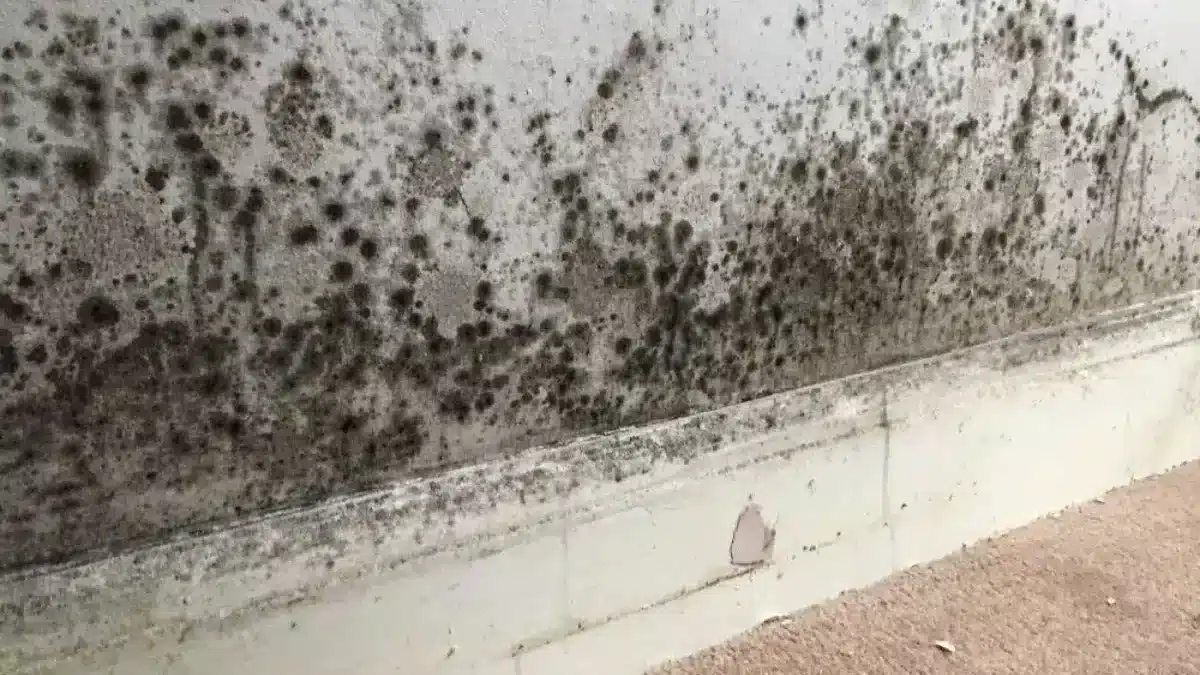
Carpets and rugs are a staple in most homes, but in damp environments, they can actively worsen indoor humidity, fuel mold growth, and compromise air quality. The fiber type, weave density, and placement all determine whether your floor covering becomes a moisture trap — with real consequences for both your home and your health.
Dampness at home is rarely dramatic at first. It creeps in quietly, settling under surfaces, behind walls, and beneath the things we walk on every day. Rugs and carpets, chosen for comfort and aesthetics, are among the most overlooked contributors to this problem.
And the issue isn't just cosmetic. Mold, dust mites, persistent odors, and deteriorating air quality can all trace their origins back to a single damp rug left in the wrong room.
Carpets and rugs trap moisture more than you think
The relationship between floor coverings and indoor dampness is more complex than it appears. Not all fibers behave the same way, but many common materials share one critical flaw: they hold onto moisture long after the source has disappeared.
Cotton fibers act like a sponge
Cotton rugs are among the worst offenders in humid conditions. Highly absorbent by nature, cotton fibers soak up moisture from spills, humid air, and even condensation from the floor below. Once wet, they dry slowly, particularly in rooms with limited airflow. Over time, this prolonged exposure creates the perfect breeding ground for mold and mildew, causing fiber degradation, visible staining, and persistent musty odors that are difficult to eliminate.
Synthetic fibers block evaporation
Polyester and nylon carpets present a different but equally problematic dynamic. Their tightly woven structure, while durable under normal conditions, blocks evaporation. Moisture becomes trapped between the carpet and the subfloor, often going unnoticed until structural damage or mold growth becomes visible. In spaces like basements or bathrooms, where air circulation is already limited, synthetic carpets can accelerate deterioration of the floor beneath them.
Thick, plush carpets in bathrooms or basements are particularly high-risk. They combine high moisture absorption with slow drying times and poor airflow — a combination that almost guarantees mold development over time.
The health consequences of a damp carpet
A damp rug isn't just a flooring problem. It becomes an air quality problem, and for people with respiratory vulnerabilities, the effects can be significant.
Mold spores released from contaminated carpets circulate through the air and are inhaled by occupants. The result: worsening asthma symptoms, frequent sneezing, persistent coughing, and a general decline in indoor air quality. Dust mites, which thrive in humid, fiber-rich environments, add another layer of allergenic pressure.
For households with children, elderly residents, or anyone with pre-existing respiratory conditions, a moisture-saturated carpet in a poorly ventilated room represents a genuine health risk. The damage also extends beyond biology — permanent staining, structural deterioration of the subfloor, and lingering odors are common outcomes when the problem goes unaddressed.
If you're already managing broader humidity issues in your home, understanding how everyday household items contribute to dampness is a useful starting point before making flooring decisions.
Better material choices for humid environments
The good news is that not all floor coverings carry the same risk. Choosing the right material for the right space makes a measurable difference.
Natural alternatives that breathe
Jute and sisal mats are consistently recommended for damp-prone areas. Unlike cotton or dense synthetics, these natural fibers allow air to circulate more freely, reducing the likelihood of moisture accumulation. They also tend to dry faster when exposed to humidity, making them more resilient in spaces where condensation is a recurring issue.
Flat-weave designs offer another practical advantage. Their low-pile construction dries faster, harbors fewer dust mites, and allows better airflow between the rug and the floor surface. Compared to thick, plush carpets, flat-weave rugs are significantly easier to maintain and far less likely to develop hidden moisture problems.
Breathable underlays as a preventive layer
The underlay beneath a rug matters as much as the rug itself. Breathable padding promotes air circulation between the floor covering and the subfloor, preventing moisture from becoming trapped in that critical gap. Some modern underlays also incorporate antimicrobial treatments, adding a layer of protection against mold and bacterial growth even when humidity levels fluctuate.
- Jute and sisal natural fiber mats
- Flat-weave, low-pile rug designs
- Breathable underlays with antimicrobial treatment
- Cotton rugs (highly absorbent, slow to dry)
- Dense polyester or nylon carpets (block evaporation)
- Thick, plush carpets in bathrooms or basements
Practical maintenance habits that limit moisture damage
Choosing the right materials is only part of the equation. How you care for your rugs determines whether even the best fiber choice stays problem-free over time.
Vacuuming frequently removes dust, debris, and early-stage mold spores before they embed deeper into the fibers. Spills should be treated immediately, with thorough drying as the non-negotiable follow-up step — a damp patch left overnight is enough to start the process of mold colonization.
Periodically airing rugs outdoors, particularly in sunny conditions, helps eliminate residual moisture that indoor environments can't fully dispel. When outdoor airing isn't possible, fans or air conditioning improve indoor ventilation enough to accelerate drying. Dehumidifiers are especially effective in basements and other enclosed spaces where natural airflow is limited.
Keeping windows open when weather permits, washing and shaking out rugs regularly, and treating any liquid exposure as an urgent task rather than a minor inconvenience — these habits compound over time. Much like unexpected uses of common household items that yield surprising results, small consistent actions around rug maintenance can prevent costly and health-affecting problems from developing in the first place.
In damp-prone rooms like bathrooms and basements, replace cotton or dense synthetic carpets with jute, sisal, or flat-weave rugs on a breathable underlay — and vacuum, air, and dry them consistently to prevent mold, dust mites, and structural damage.