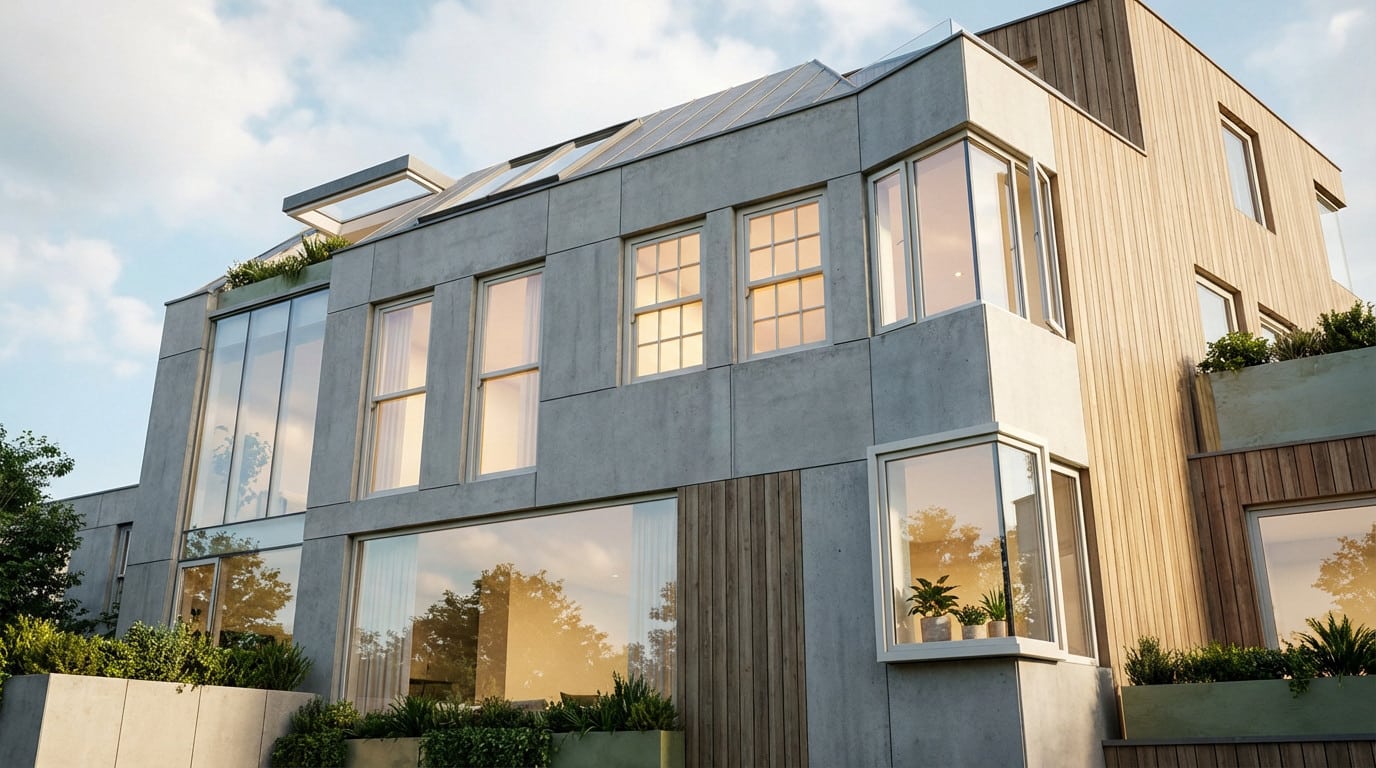
Are you paralyzed by the sheer number of types of windows on the market, fearing that an ill-informed choice might permanently damage your building’s thermal performance and aesthetic appeal? This article analyzes the twelve most relevant designs for homes and workspaces, dissecting the functional advantages and specific drawbacks of options ranging from classic sliding models to architectural bay structures. We reveal the technical specifications regarding frame materials and glass efficiency that manufacturers rarely disclose, empowering you to secure a renovation that maximizes both comfort and long-term property value.
The Classics: Window Types That Open and Slide
Double and Single-Hung: The American Standard
Let’s look at the double-hung windows mechanism first. Two sashes slide vertically, giving you total control. This style is incredibly popular across the United States. You get amazing circulation of air because both top and bottom open simultaneously.
Then you have the single-hung windows variant. Only the bottom sash actually moves here. They are a budget-friendly option that demands significantly less maintenance over the years.
Builders love single-hung for new construction projects. Yet, double-hung remains the favorite for heritage charm and easy tilt-in cleaning.
Casement Windows: The Energy-Efficient Crank-Out
Casement windows operate a bit differently. They pivot outward on side hinges when you turn a crank. When closed, they create an excellent seal that locks out air leaks.
You get serious functional perks here.
- Superior seal against drafts, boosting energy efficiency.
- Ideal for hard-to-reach places like over a kitchen sink.
- Provide unobstructed views and excellent ventilation.
The crank mechanism can wear out eventually. Also, that outward swing becomes a headache on tight balconies or walkways.
Sliding Windows: A Simple Solution for Wide Views
Think of sliding windows as the horizontal cousin of the double-hung. One or two sashes glide sideways on a track. It is a straightforward mechanism that just works.
These are perfect for filling large openings with glass. You get panoramic views without any frame interruption. Maintenance is minimal since they are intuitive to use. Plus, they are an affordable solution that saves space inside and out.
The seal isn’t as tight as a casement window. Drafts can sometimes sneak through.
Creating Space and Light: Windows That Project Outward
While flush installations work, sometimes you need to break the mold. Let’s look at designs that physically extend beyond your walls to capture light from every angle.
Bay Windows: Adding a Nook With a View
You recognize these immediately by their sharp angles. A bay window combines three or more units jutting out from the exterior wall. Typically, a large fixed picture window sits in the center, flanked by narrower, operational windows like casements.
This configuration physically expands your floor plan, not just the view. We love how they create a dedicated spot for a reading nook or bench. They flood the space with natural light and instantly boost the home’s perceived value.
Bow Windows: The Elegant, Curved Alternative
Think of bow windows as the bay window’s sophisticated cousin. Instead of sharp angles, they utilize four or more glass panels to form a gentle, sweeping curve extending from the house.
They bring an undeniable sense of fluidity to a façade. Just like bays, they maximize your view, but the curved design often pulls in even more light. You can keep panels fixed or mix in venting units for airflow.
Garden Windows: Your Personal Greenhouse
Picture a small glass box popping out from your wall, usually above the kitchen sink. These garden windows are unique, glazed on the front, sides, and even the sloped top roof panel.
It acts like a mini-greenhouse attached directly to your home. We find them perfect for keeping herbs alive year-round since they catch sunlight from multiple angles. The side vents usually open, ensuring your indoor garden gets necessary ventilation.
Smart Designs for Ventilation and Architectural Flair
Not every window is designed just for a view or standard opening. Some models tackle specific needs, whether it is ventilating during a downpour or simply adding a distinct architectural touch.
Awning Windows: Open for Air, Even in the Rain
Let’s talk about awning windows. Hinged at the top, they push outward from the bottom. This clever design creates a literal awning, shielding the opening from the elements.
Here is the killer feature: you get excellent ventilation even during a light drizzle without water sneaking in. When shut, they seal tight against energy loss. We often see them stacked above or below large stationary glass panes.
Transom Windows: A Touch of Class Above Doors
Ever notice those small accents sitting high up? Those are transom windows. Usually decorative, these units sit directly above a door or another window frame, adding height.
They do more than look pretty; they inject architectural interest and serious character. Plus, they let natural light spill between rooms even when doors are shut tight. You can find them fixed or operable for extra airflow.
Picture Windows: Framing the Perfect View
Sometimes, you just want the view. Picture windows are exactly that—stationary units that do not open. Their sole job is flooding your space with light and scenery.
Since they are permanently sealed, you get maximum energy efficiency and top-tier security. Nothing beats them for unobstructed, panoramic visuals because there are no clunky mechanisms in the way.
But here is the catch: they offer zero ventilation. You absolutely must pair them with functional windows nearby if you want to feel a breeze.
Special Situations: Replacement, Custom, and Safety Windows
Replacement Windows: An Upgrade Without the Mess
Replacement windows are custom-built to fit existing openings perfectly. This smart design means you don’t need to tear up your walls. It saves time and preserves your home’s original structure. That is why they remain a top renovation choice.
Upgrading significantly boosts energy efficiency in older, drafty houses. But always test for lead paint before disturbing any vintage frames. You never know what secrets or discoveries behind a wall might appear during renovation. Safety must come first when dealing with old materials.
Specialty Shape Windows: Breaking the Mold
Specialty windows encompass any non-standard geometric shape you can imagine. We are talking about rounds, half-rounds, triangles, or even custom octagons. They break the monotony of standard types of windows.
Architects use them to create a stunning visual focal point. While most are fixed shut, modern options don’t sacrifice energy performance. They add character without leaking your expensive heating.
Egress and Basement Windows: More Than Just Light
Egress windows serve as vital emergency exits in finished basements. They must meet strict size codes to allow a person to escape. Building regulations mandate them for any basement bedroom. Ignoring this rule puts occupants at serious risk.
A functional exit is not a luxury; it is a necessity. You don’t want to end up in sticky situations where you get stuck inside. Beyond safety, they bring decent natural light downstairs. It transforms a dark dungeon into a room.
Making the Right Choice: Materials, Efficiency, and Key Factors
Knowing window types is one thing; choosing the right one is another. Frame material, glass type, and efficiency factors weigh heavily in the balance.
Choosing Your Frame: A Comparison of Materials
Frame choice dictates maintenance and insulation. PVC is cheap but basic, while wood offers unmatched insulation yet demands care. Aluminum is sleek but needs thermal breaks to stop heat loss. Here is how they compare:
| Material | Performance (Thermal/Acoustic) | Maintenance | Style/Aesthetics |
|---|---|---|---|
| PVC | Good | Low | Standard, limited colors |
| Wood | Excellent | High | Classic, warm, paintable |
| Aluminum | Fair (needs thermal break) | Low | Modern, slim frames, many colors |
| Hybrid (Wood-Alu) | Excellent | Low (exterior) | Best of both: warm wood inside, durable aluminum outside |
Beyond the Frame: Glazing and Energy Performance
Glass makes up most of the window surface. Double glazing is the standard, while triple glazing offers superior isolation. However, the extra weight requires stronger hardware.
Don’t ignore treatments like Low-E coatings or argon gas; these invisible layers drastically improve insulation. Also, check the Solar Heat Gain Coefficient for your climate. Efficient windows slash energy bills, a fact confirmed by technical renovation guides.
Final Considerations Before You Buy
The final choice balances specs and cost. Professional installation matters just as much as the window quality itself. Before signing the check, review these non-negotiable factors:
- Your budget: What can you realistically afford?
- Architectural design: Does the window style complement your home or office?
- Primary function: Is it for view, ventilation, or light?
- Ventilation needs: How much fresh air do you need?
- Security requirements: Consider options like anti-burglary glass (RC2 class).
Taking time to weigh these factors guarantees a lasting investment. You get better comfort and a sharper look for your building. Don’t rush this step.
Ultimately, selecting the perfect window transforms a structure into a sanctuary. Whether prioritizing the classic charm of double-hung models or the modern efficiency of casement designs, your choice defines both comfort and curb appeal. By balancing architectural style with practical needs like ventilation, we ensure a lasting investment that truly elevates our living spaces.